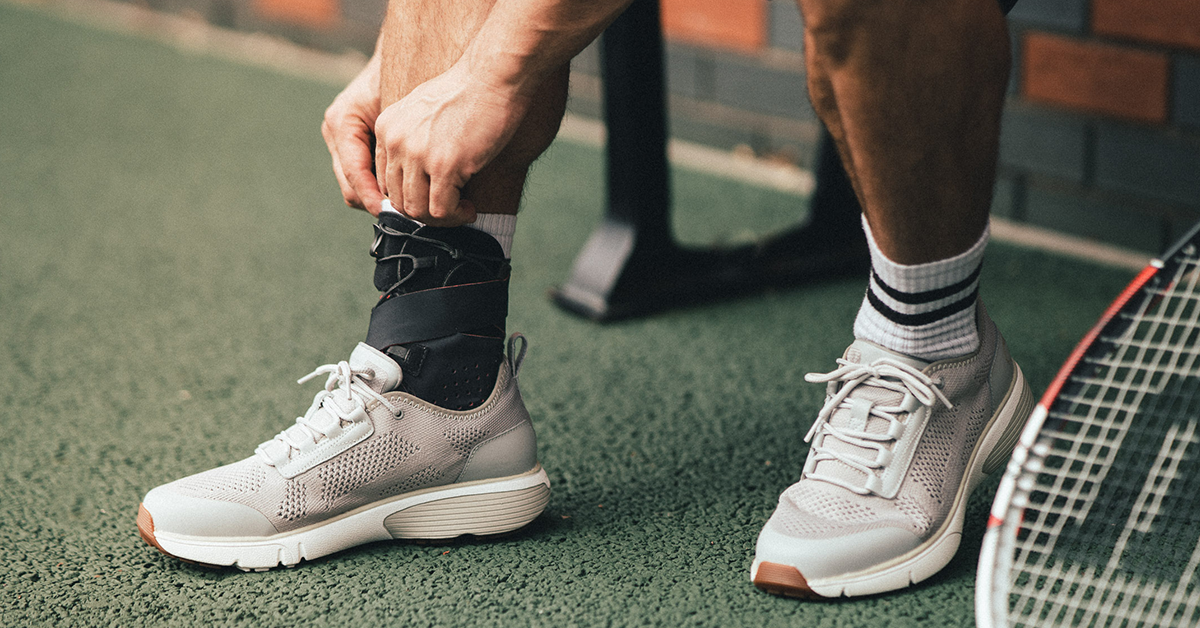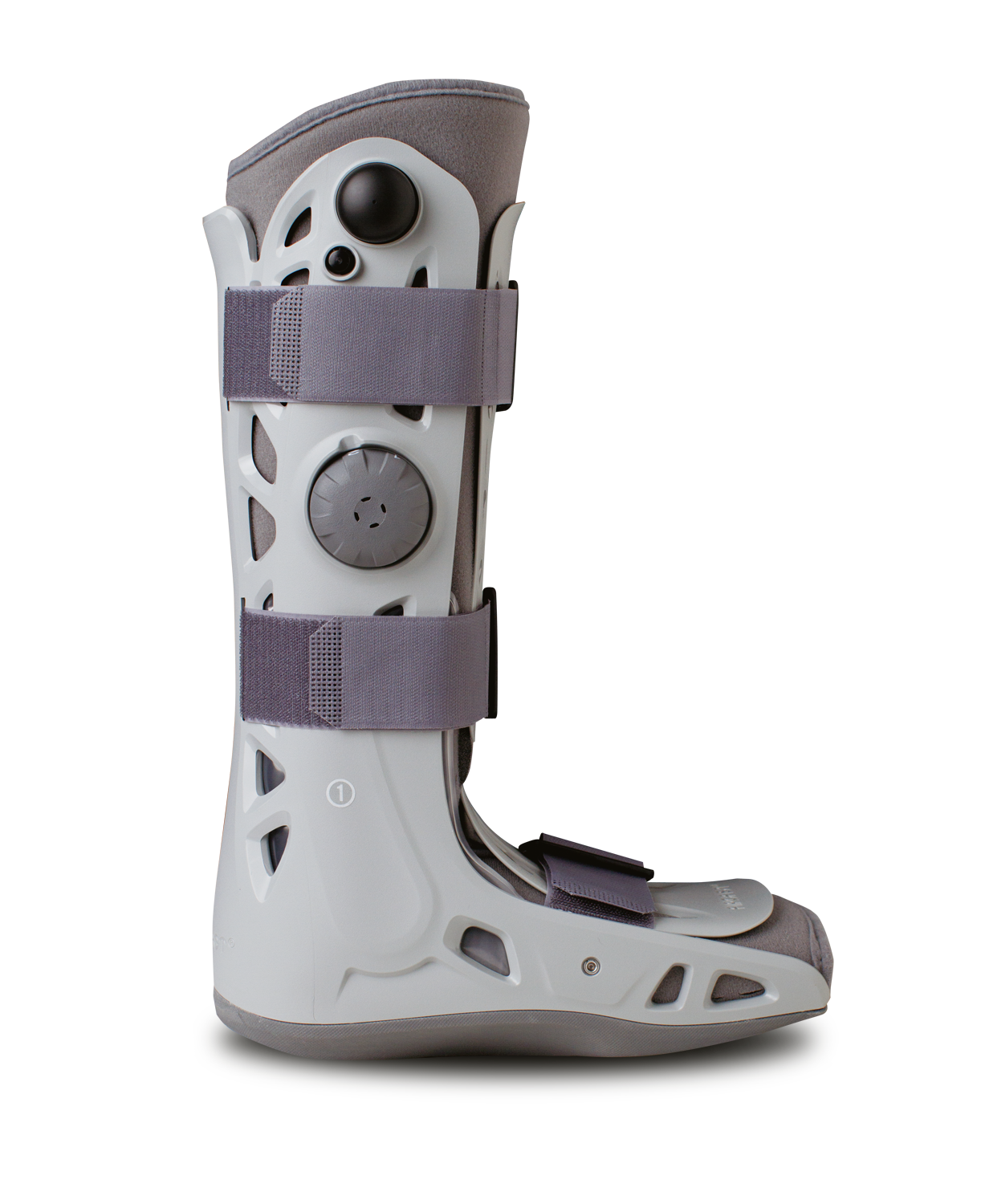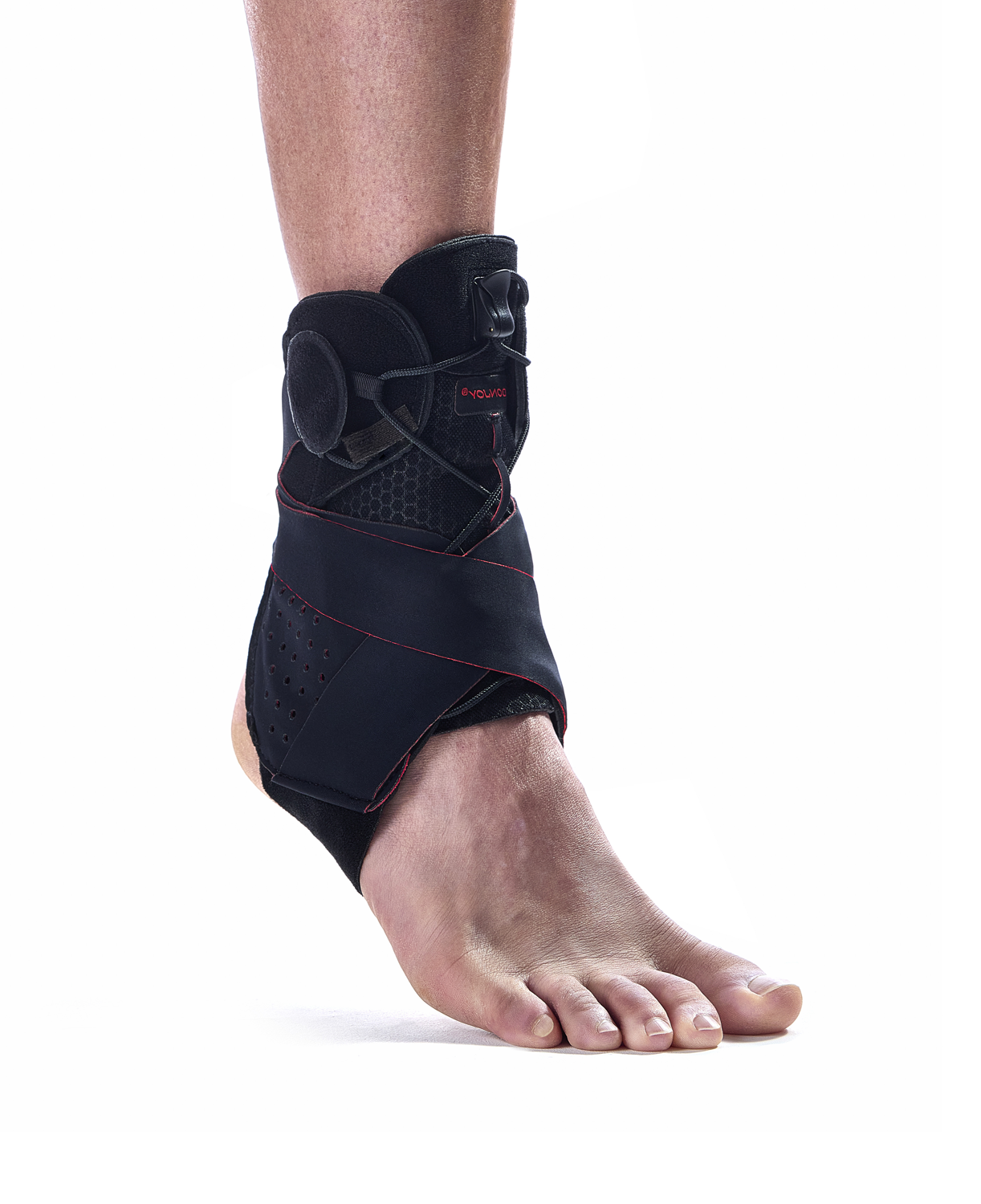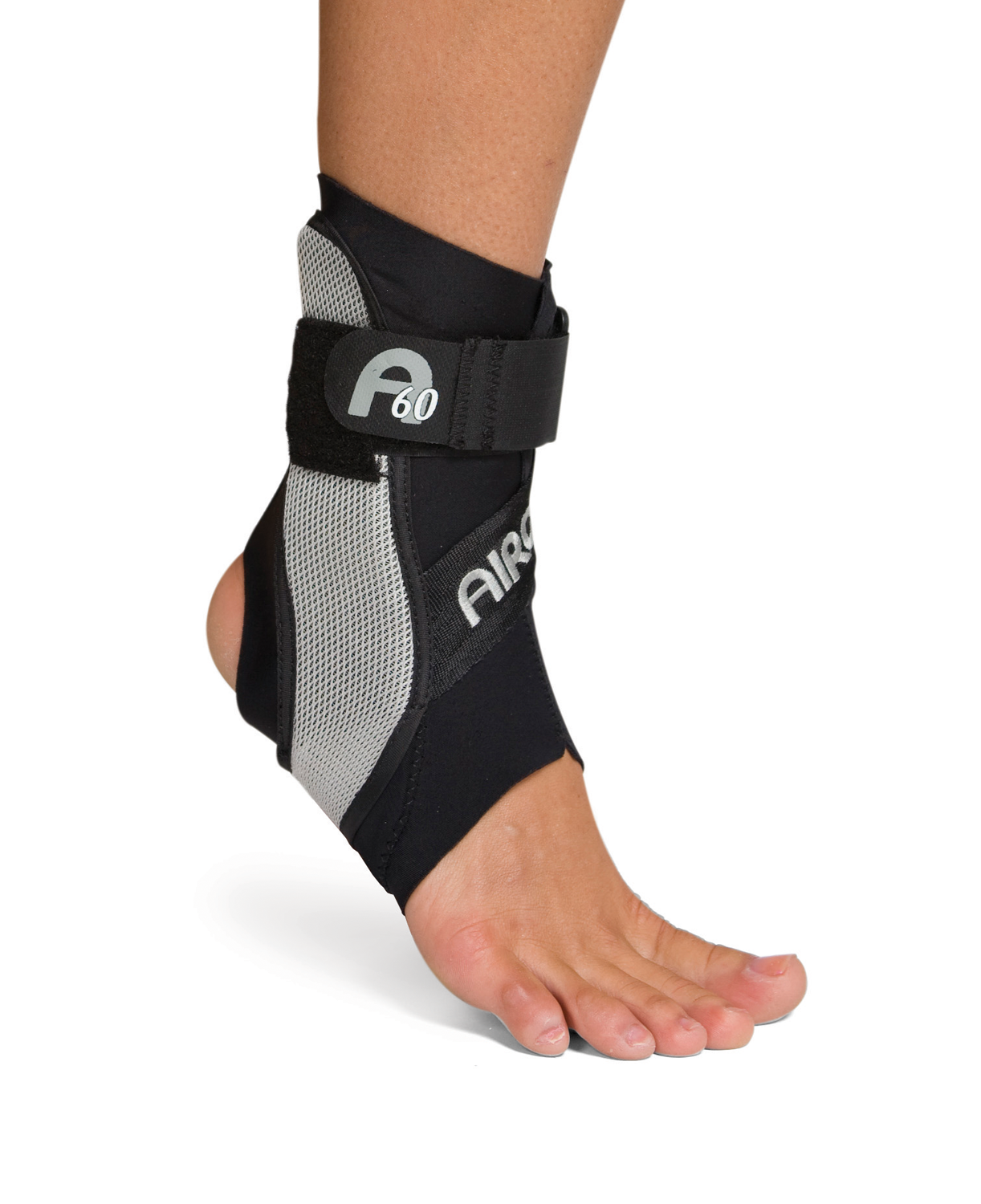


Ankle sprains are very common injuries, with a high incidence among physically active people.1 It is the lateral side of the ankle that is generally affected, and less commonly the medial side. It typically results from the foot being forced into inversion—a movement that can occur in runners, jumpers, or even casual walkers.
Fortunately, management options exist, such as wearing an elastic ankle brace.
A CLOSER LOOK AT ANKLE SPRAINS
The most common type of ankle sprain involves the lateral ligament complex, accounting for 70-91% of cases.2
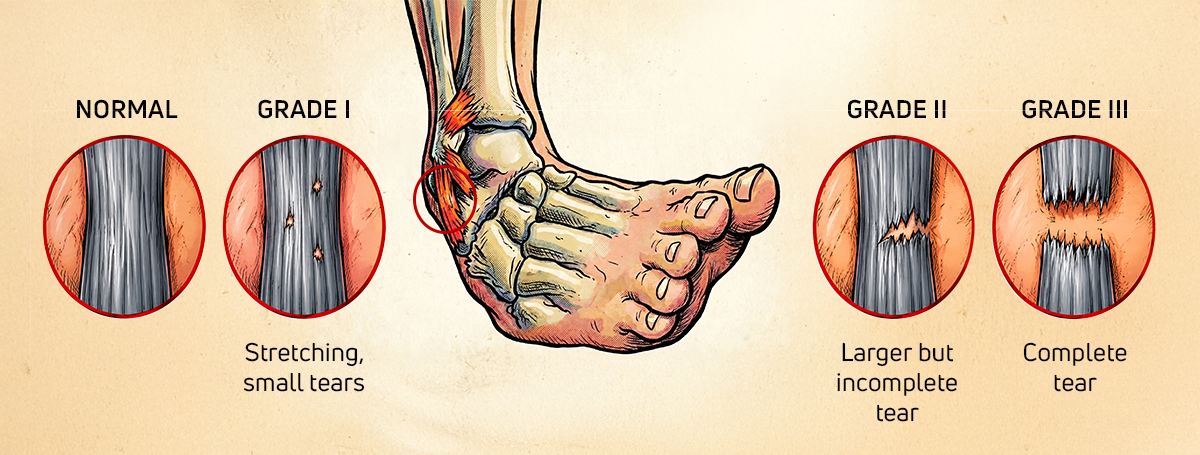
Ligaments are bands of relatively inelastic connective tissue that stabilize the joint; they allow movement while preventing dislocation. The lateral ligament complex consists of three bundles (anterior, middle, and posterior): when the foot twists inward, the ankle undergoes plantar flexion combined with internal rotation — a movement known as forced inversion. It is primarily the anterior bundle that is affected.
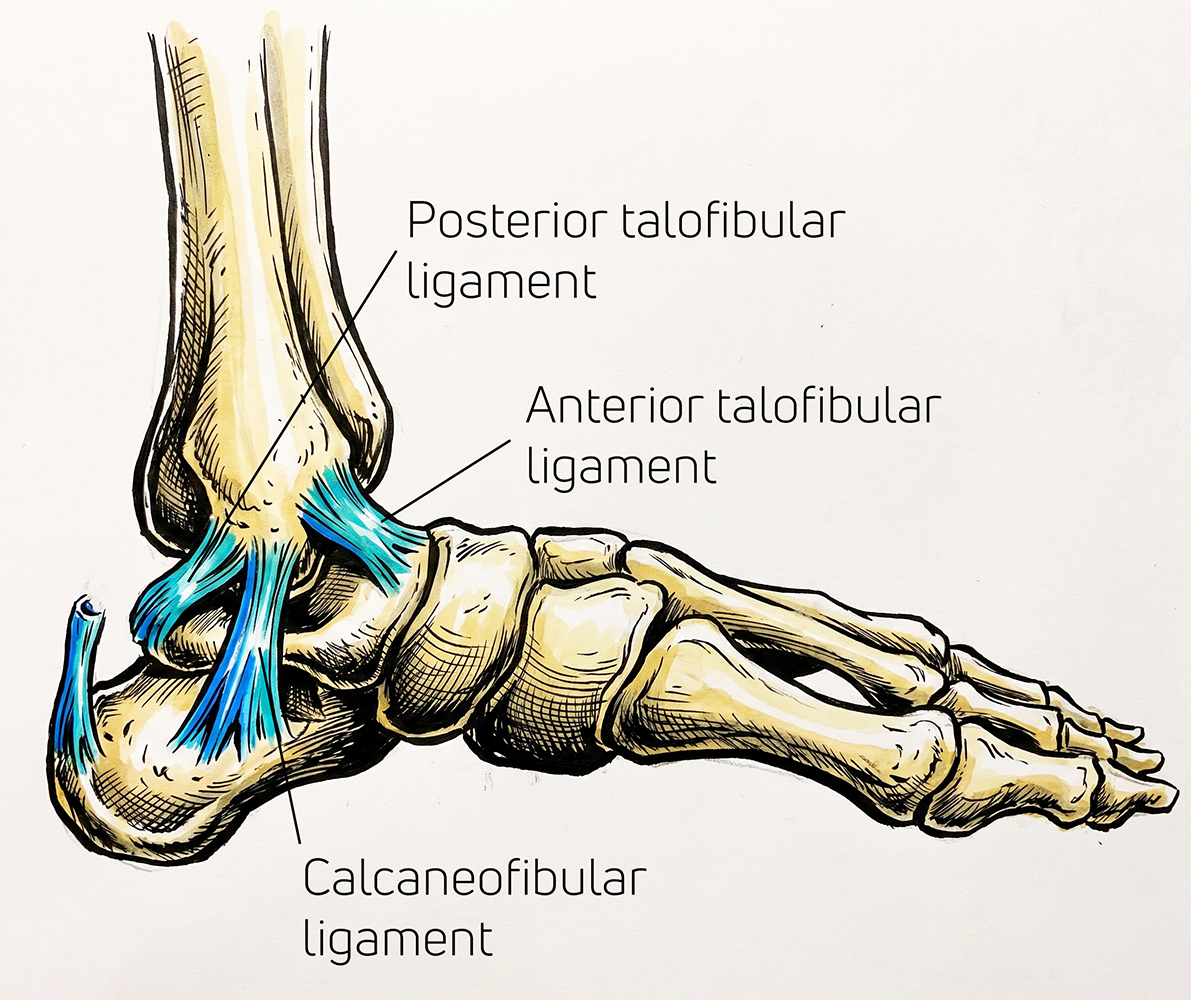
Depending on the nature of the ligament stretch, the severity of the sprain will vary:
| Mild sprain | stretching of the anterior bundle |
| Moderate sprain | partial rupture of the anterior bundle |
| Severe sprain | complete rupture of the anterior bundle, or even of the middle and posterior bundles |
WHAT TO DO FOLLOWING A SPRAIN
When a sprain occurs, the best course of action is to follow the RICE protocol: Rest, Ice, Compression, and Elevation.
These are essentially the four steps to follow to treat a sprain:
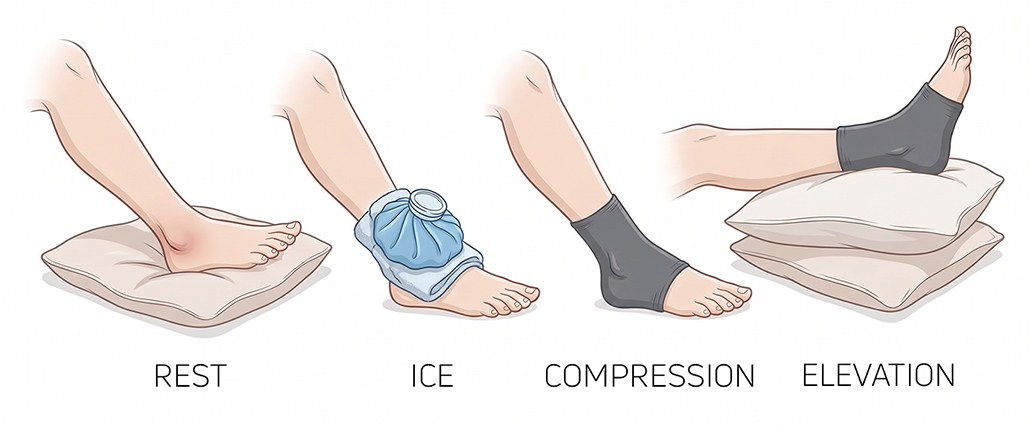
Rest: If it’s painful to walk or put weight on your foot, stay off your feet as much as possible. Rest your ankle and use crutches to support your weight if you need to get around.
Ice: Ice your ankle for 48 to 72 hours after injury to help reduce pain and swelling; apply ice or cold therapy for 20 minutes at a time every two to three hours.
Compression: A wrap can be applied around the ankle at the site of the sprain to help decrease swelling.
Elevation: Raise the injured ankle above the level of the heart for at least two to three hours a day, and while you sleep, for the first 24 to 36 hours to help reduce swelling and bruising.
The RICE protocol should be applied systematically during the post-traumatic or post-operative phase in order to:
- Reduce pain and the development of edema
- Reduce metabolic activity and the inflammatory response
- Exert a pumping effect on the edema
- Promote tissue healing
Subsequently, it is of course necessary to consult a doctor for an assessment of the ankle; this will allow them to determine whether elastic compression (such as an elastic ankle brace) needs to be prescribed, depending on the severity of the sprain.
WHAT IS ELASTIC COMPRESSION?
Limb immobilization/support is an established method used to limit the movement of one or more joints or a limb segment. Many clinical situations — whether involving the musculoskeletal system or vascular medicine — may require treatment involving compression or immobilization.
The treatment objective can be twofold: the goal may be compression to manage edema (providing pain relief), or immobilization to limit movement (also providing pain relief). Depending on the stage of the condition, both effects may sometimes be sought simultaneously through the use of appropriate bandaging techniques or specific features found in tubular orthoses.
Compression = compression socks/stockings/tights
Immobilization/Support = elastic tubular orthoses
Compression classes can be expressed in either mmHg or hPa. The conversion ratio between these two units is: 1 hPa ≈ 1.35 mmHg
| Medical Compression | Elastic Compression | |
| Socks/Stockings/Tights | Tubular orthoses | |
| Compression classes | mmHG | hPa |
| 1 | 10 – 15 | 13 – 20 |
| 2 | 15 – 20 | 20.1 – 27 |
| 3 | 20 – 36 | 27.1 – 48 |
| 4 | > 36 | > 48 |
The compression class of the ankle brace will influence the patient’s sensation and the associated proprioceptive response. Since proprioception is defined as the perception of the body in space, the compression provided will stimulate sensory receptors and promote reflex contractions to help prevent recurrence.
HOW TO CHOOSE THE RIGHT ANKLE BRACE
Whether it is a minor sprain, a severe sprain, tendonitis, a tear, a strain, or a dislocation, it is important to treat your ankle properly and undergo a thorough rehabilitation program to prevent subsequent chronic pain or instability.
It is strongly recommended that you see a doctor to obtain a clear diagnosis and a prescription for the right elastic ankle brace; the consequences of improper treatment can be serious.
A healthcare professional will prescribe the appropriate ankle brace based on several criteria:
1. Ankle condition
- Mild, moderate, or severe sprain
- Mild, moderate, or severe instability
- Tendinopathy (or tendonitis)
2. Desired type of support
- Post-injury immobilization
- Return to activity after injury
- Injury prevention
- Pain prevention
3. Desired level of stability
- Little to no activity: light support
- Daily activity: moderate support
- Sports or strenuous activity: reinforced support
RESUMING SPORTS
For a mild sprain, all sports activity is suspended for 2 to 3 weeks, extending to 4 to 7 weeks for a moderate sprain.
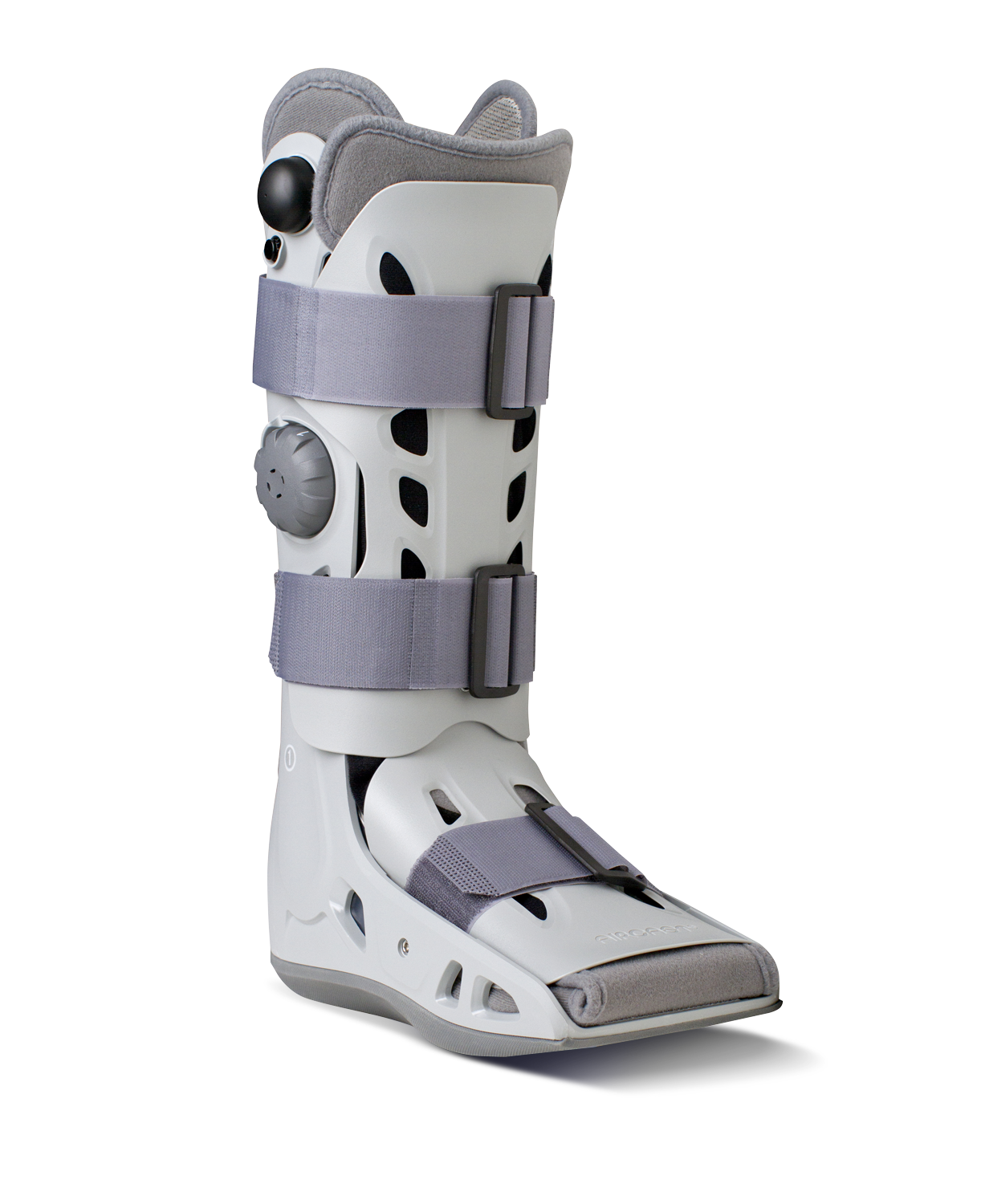
In the case of a severe sprain, the hiatus from activity lasts approximately 6 months on average, depending on whether orthopedic or surgical treatment is required.
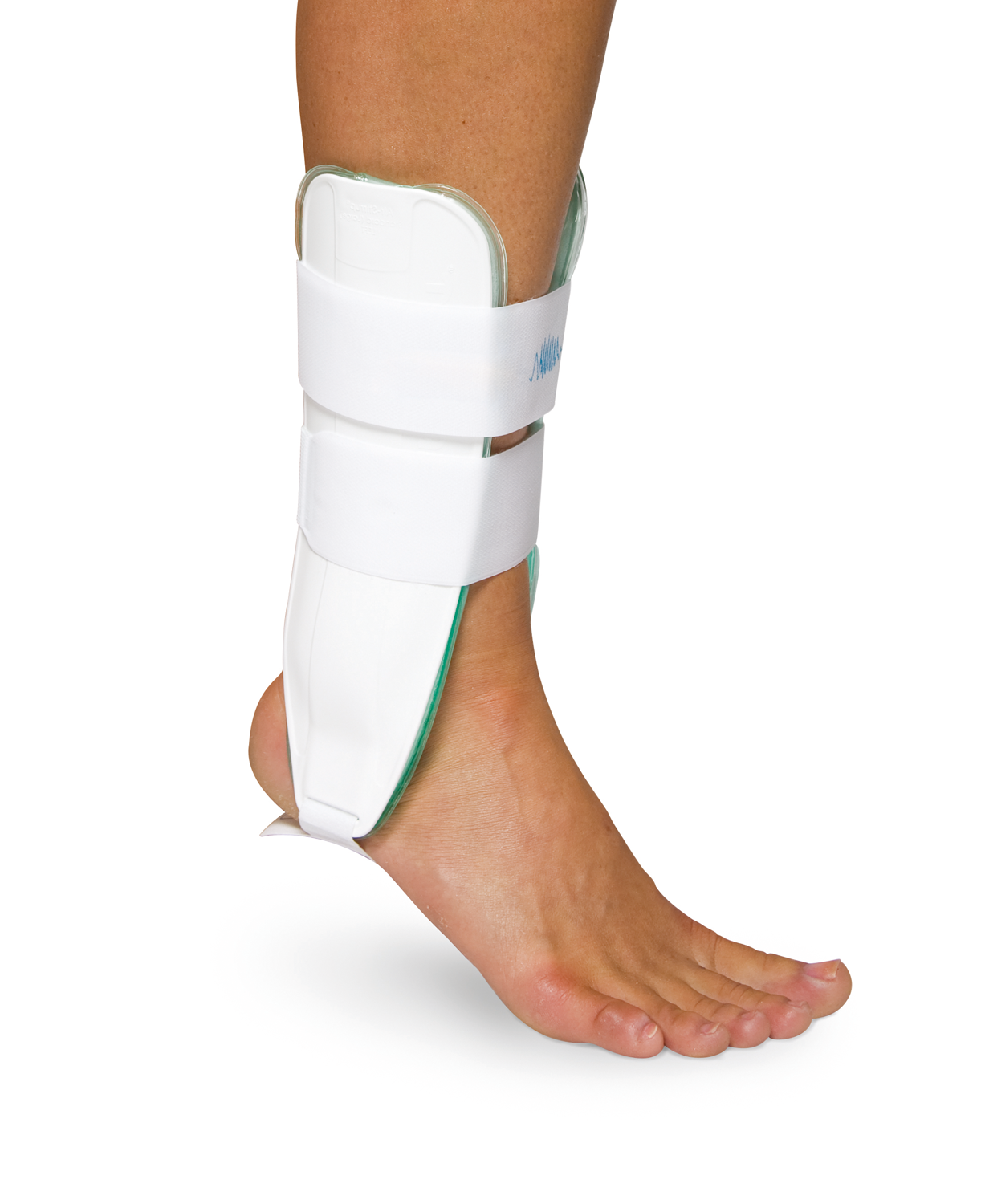
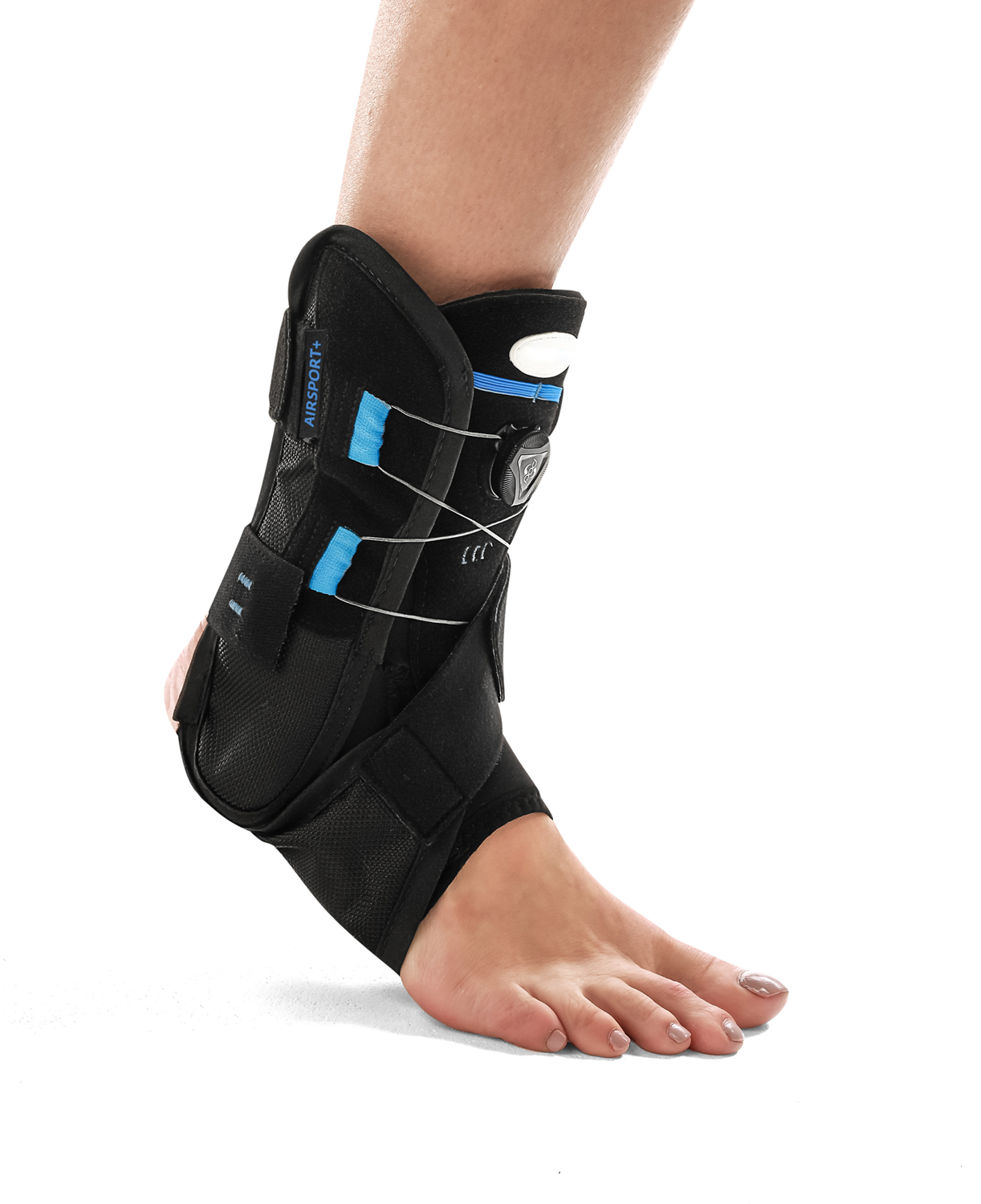
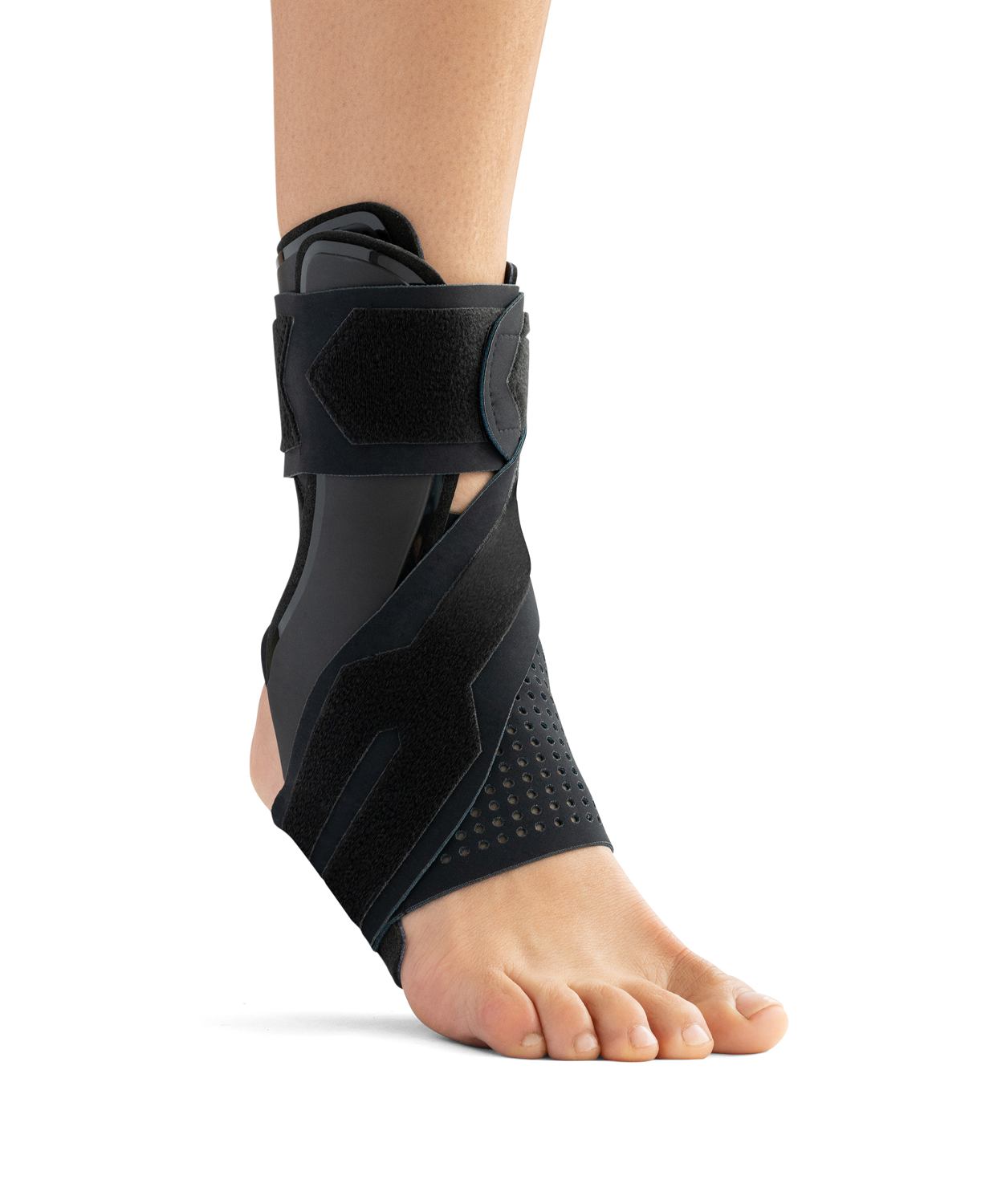
Alongside elastic ankle braces, there are also ankle braces specifically designed for return to sports. Millions of people are injured playing sport every year, with team sports and ball sports accounting for the highest number of accidents.3
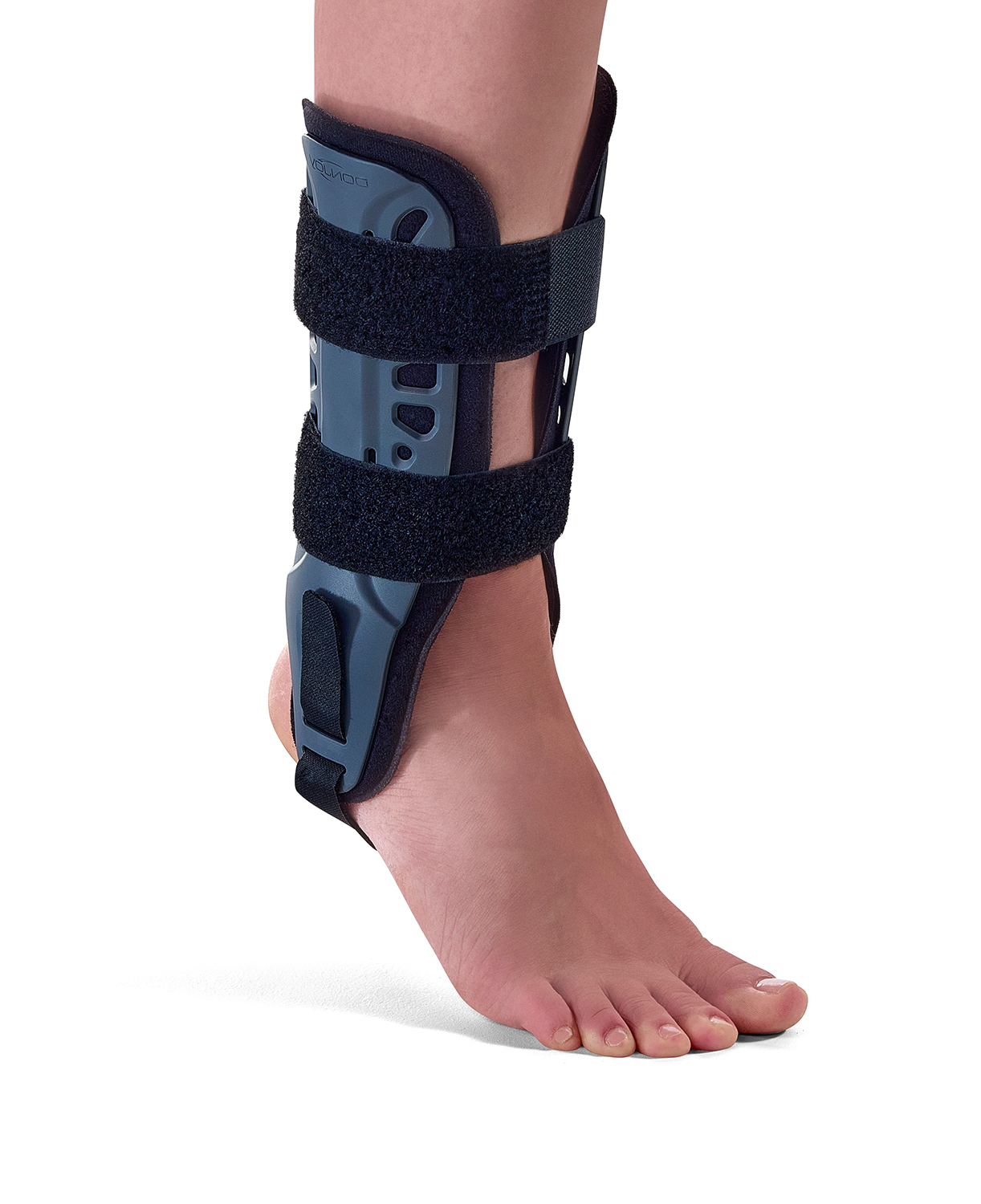
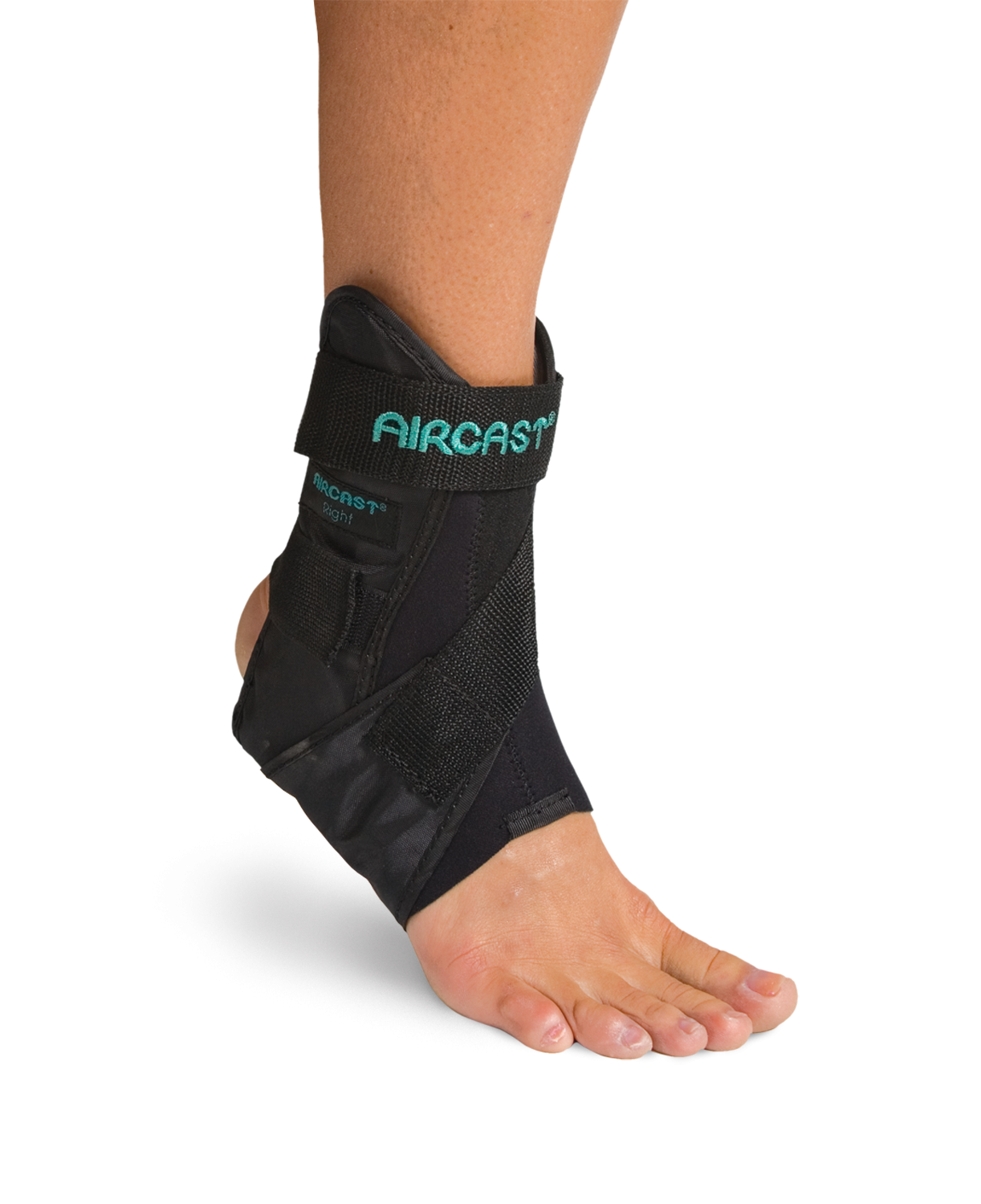
Depending on the sport and the patient’s profile, a healthcare professional may recommend either continuing to use an elastic ankle brace or switching to a specialized brace offering superior support — particularly for sports involving pivoting or rapid changes of direction, such as soccer or handball.
In such cases, it is advisable to consult a sports physician, who can prescribe the appropriate brace based on the specific sport being played.
Pain is a sign that should not be ignored. If the pain is severe and/or persists for too long, it is advisable to consult a doctor.
ELASTIC ANKLE BRACES FROM ENOVIS™
Enovis™ offers a variety of elastic ankle braces to help patients prevent and recover from injuries.
DonJoy FortiLax™ Ankle is a simple elastic knitted ankle support for everyday activities. The anatomical 3D knit design offers targeted compression of 20-36mmHg, while the breathable materials and compression-reduced edges help provide a comfortable fit for extended periods of wear.
DonJoy MaloLax™ offers additional support in the form of two anatomically contoured ankle pads. These soft inserts help protect, stabilize, and relieve the malleoli.
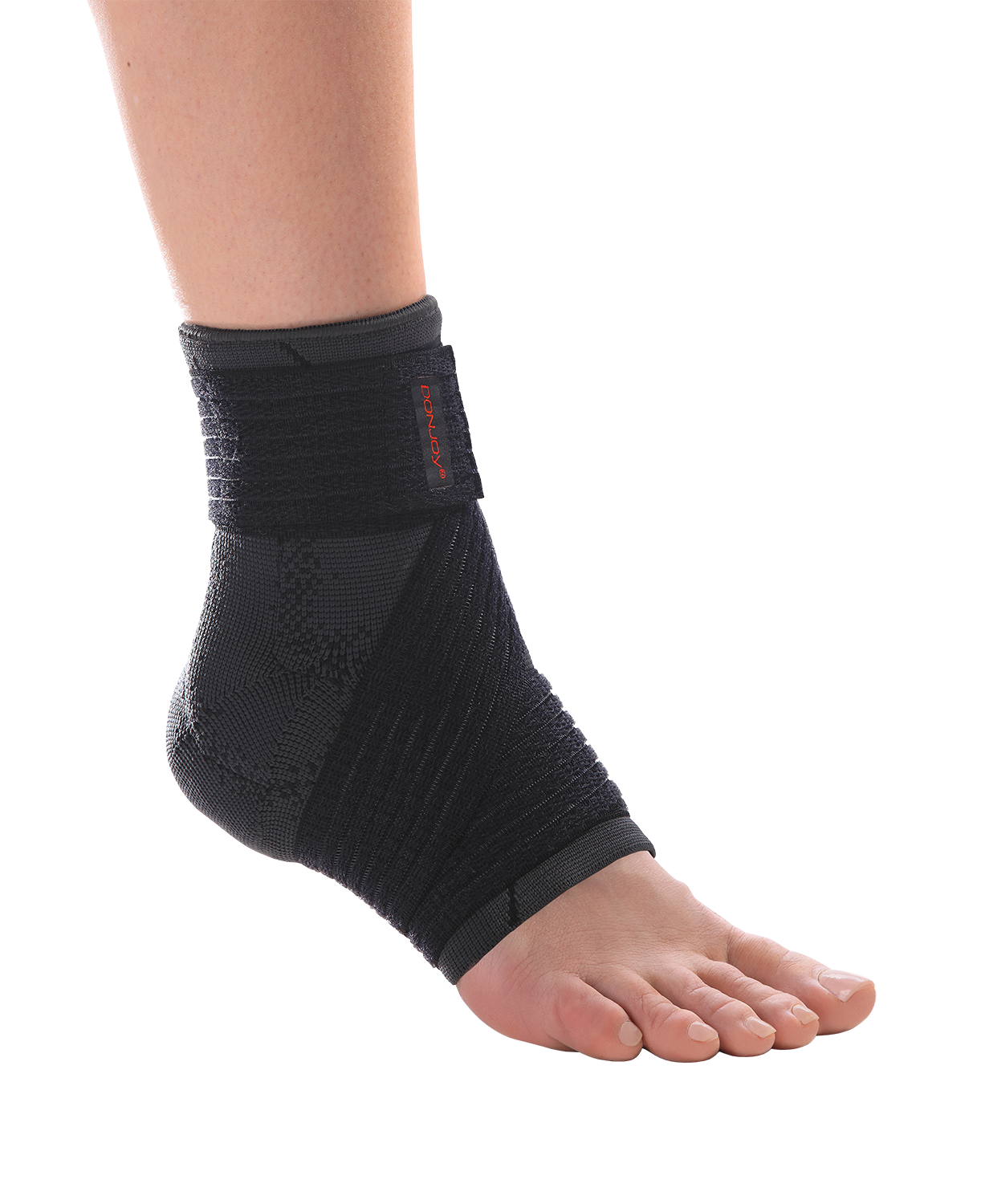
In addition to its integrated malleolar pads, DonJoy StrapiLax™ Ankle (right) includes adjustable ankle strapping. This works in a similar way to functional tape, helping to provide added compression, stability, and a custom fit.
For more information about managing ankle sprains and finding the right support, visit our website.
Healthcare professionals interested in learning more about ankle braces can contact their local Enovis representative or visit our website for detailed product information.
REFERENCES
- Megalaa, T., Beckenkamp, P. R., Fong Yan, A., & Hiller, C. E. (2024). What are the clinical recommendations for the use of ankle braces? A scoping review. JSAMS plus, 3, 100058.
- Fong, D. T., Chan, Y. Y., Mok, K. M., Yung, P. S., & Chan, K. M. (2009). Understanding acute ankle ligamentous sprain injury in sports. Sports medicine, arthroscopy, rehabilitation, therapy & technology : SMARTT, 1, 14.
- Sheu, Y., Chen, L.H., & Hedegaard, H. (2016). Sports- and recreation-related injury episodes in the United States, 2011–2014.National Health Statistics Reports, (99), 1–12.