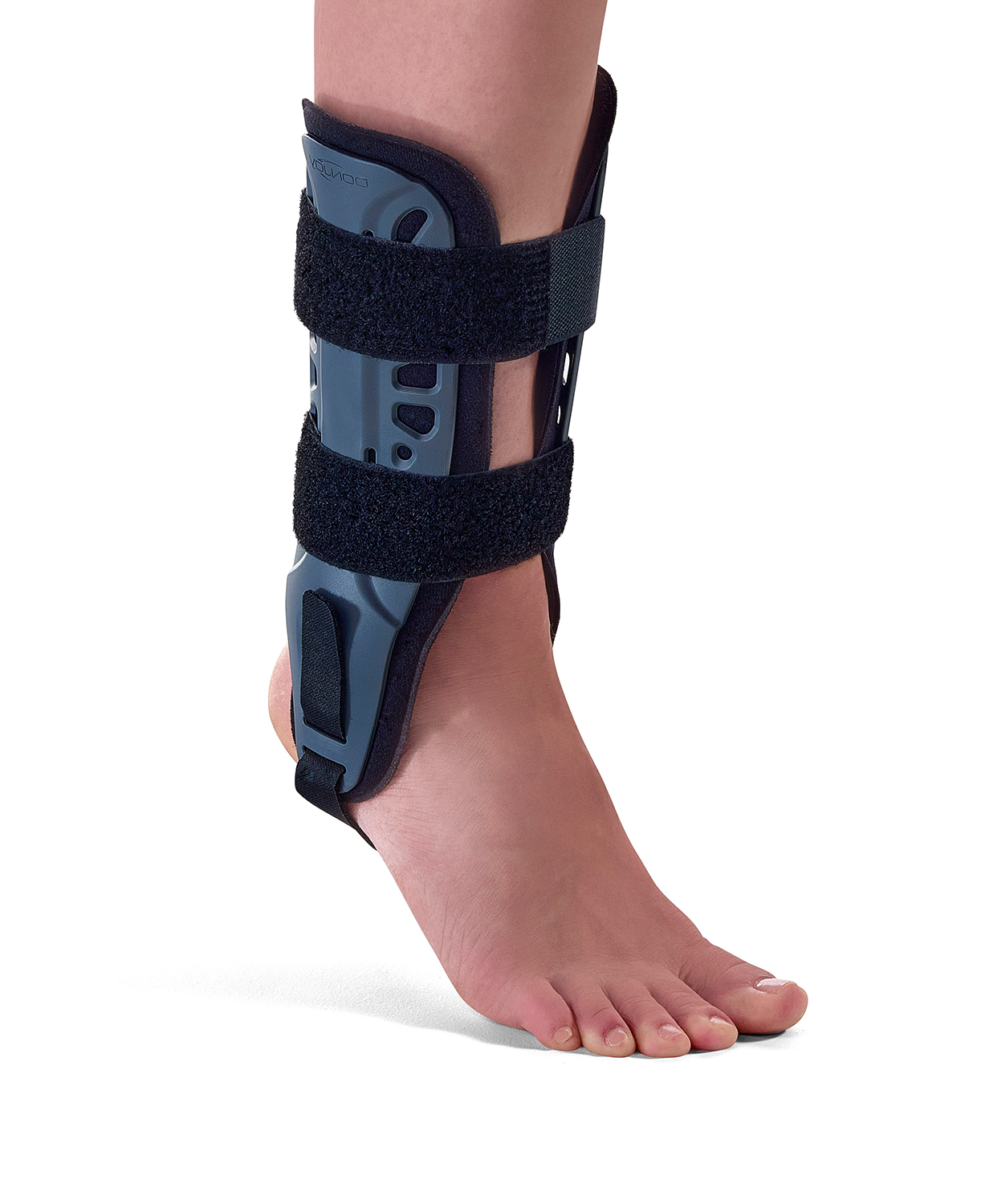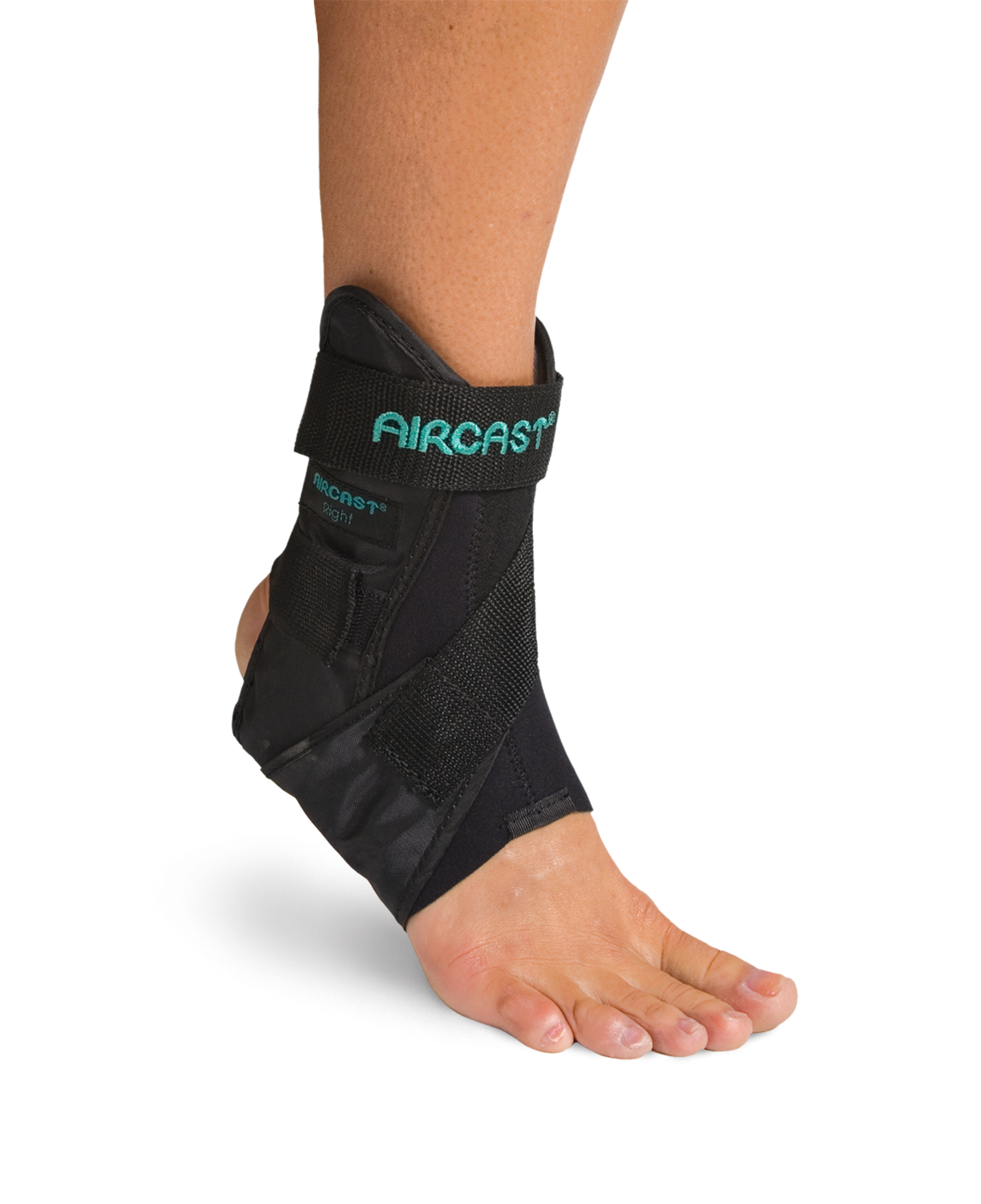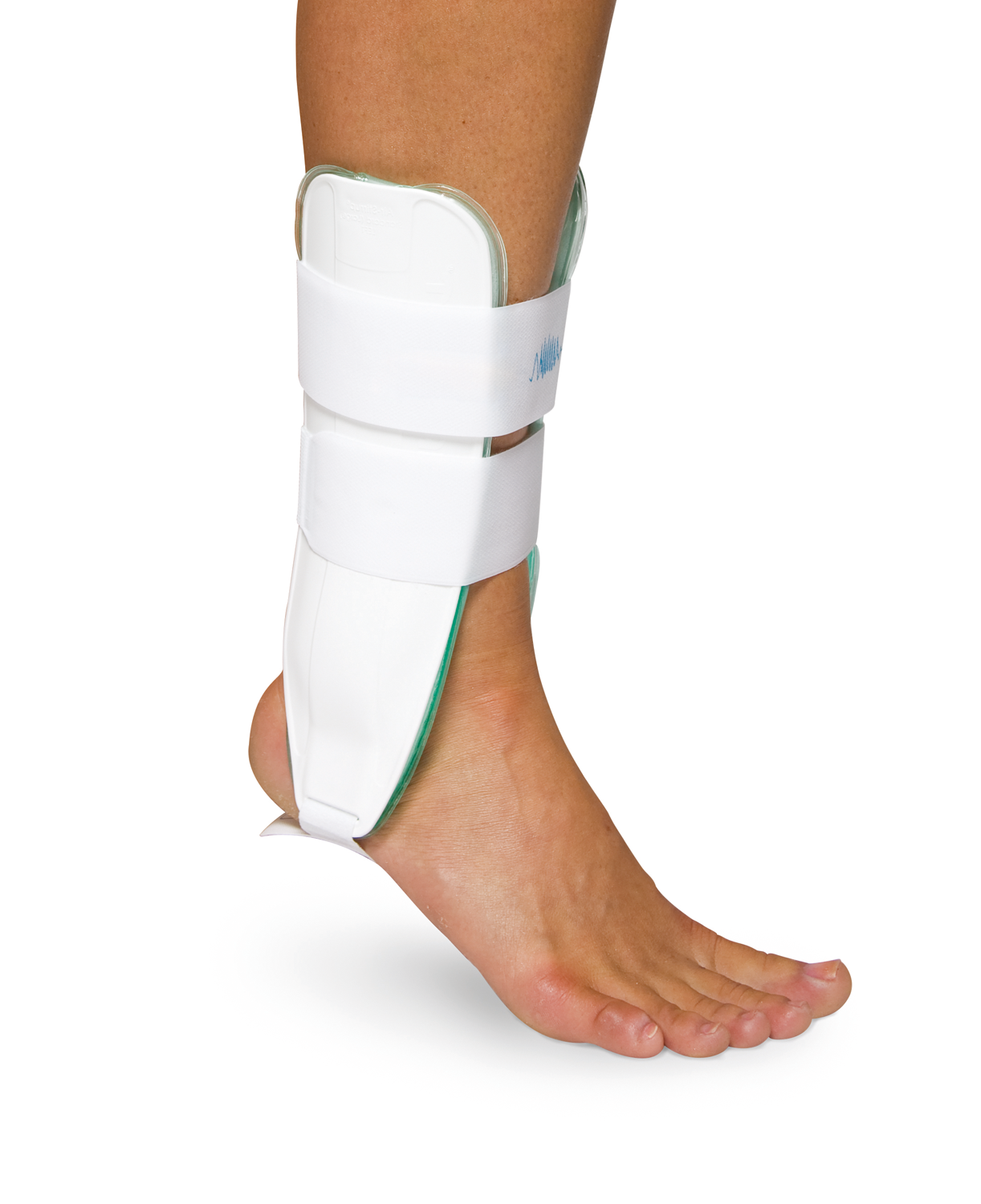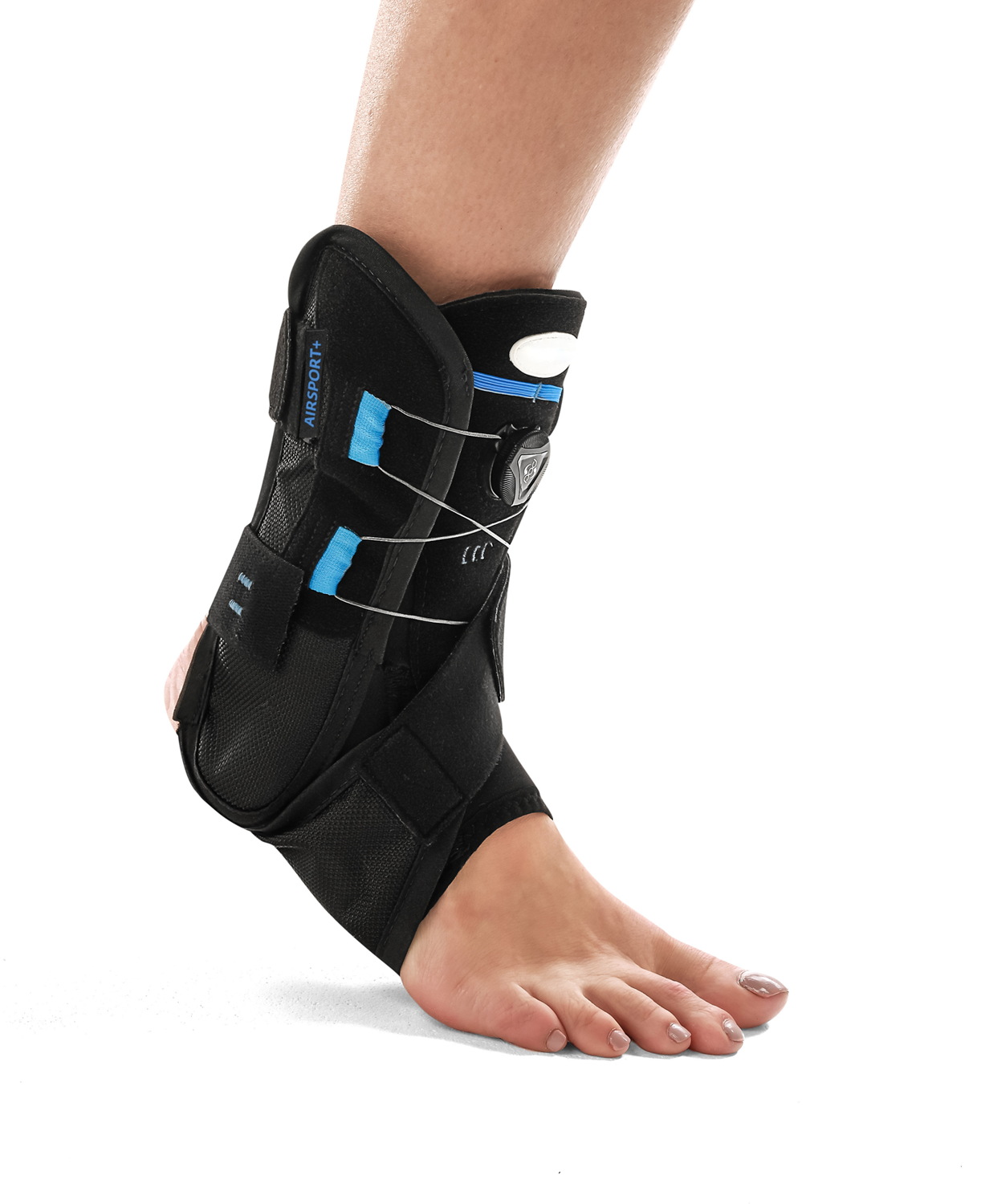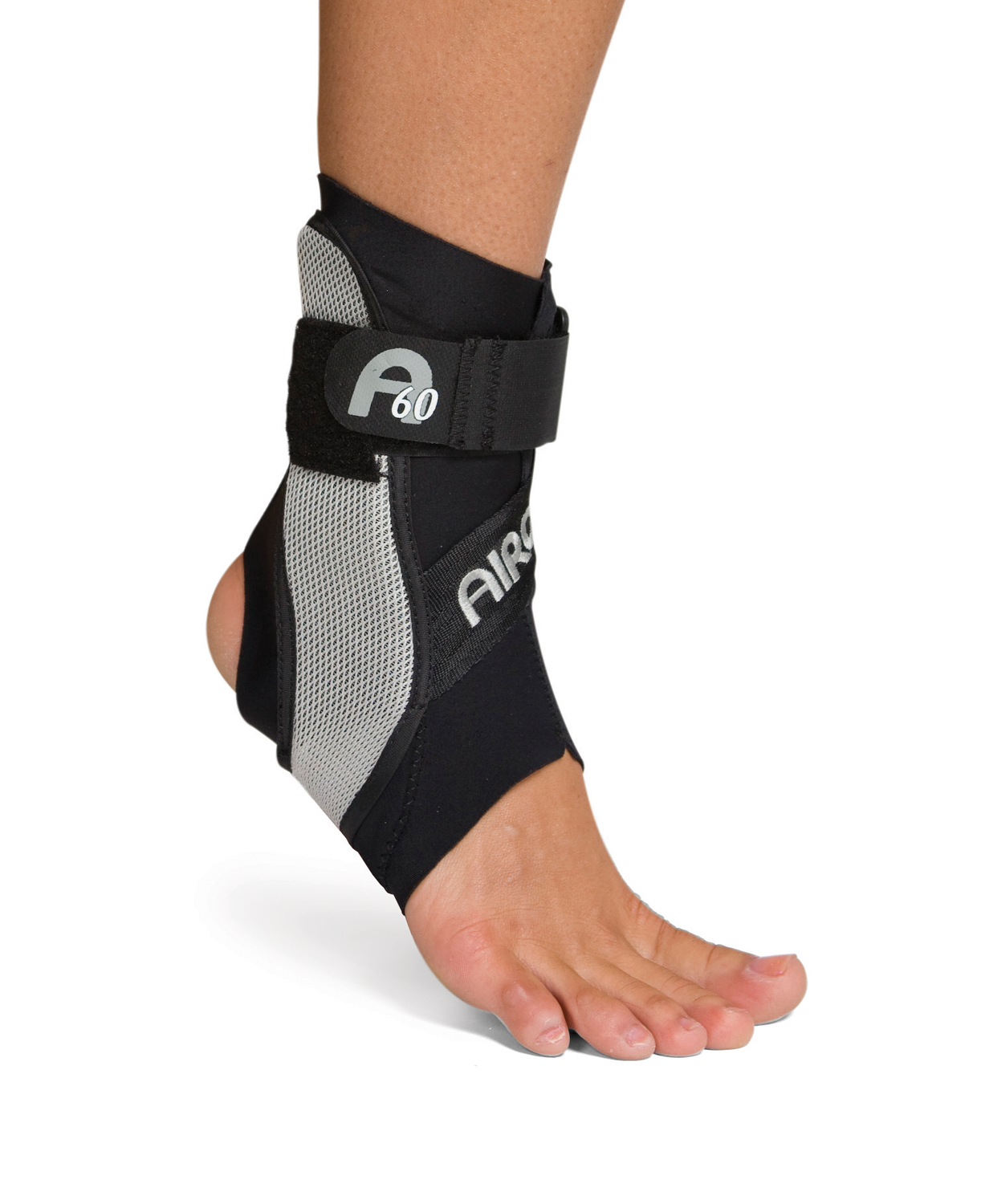

THE BENEFITS OF AN ELASTIC ANKLE BRACE

Ankle sprains are very common injuries, with a high incidence among physically active people.1 It is the lateral side of the ankle that is generally affected, and less commonly the medial side. It typically results from the foot being forced into inversion—a movement that can occur in runners, jumpers, or even casual walkers.

Fortunately, management options exist, such as wearing an elastic ankle brace.

A CLOSER LOOK AT ANKLE SPRAINS

The most common type of ankle sprain involves the lateral ligament complex, accounting for 70-91% of cases.2

Ligaments are bands of relatively inelastic connective tissue that stabilize the joint; they allow movement while preventing dislocation. The lateral ligament complex consists of three bundles (anterior, middle, and posterior): when the foot twists inward, the ankle undergoes plantar flexion combined with internal rotation — a movement known as forced inversion. It is primarily the anterior bundle that is affected.
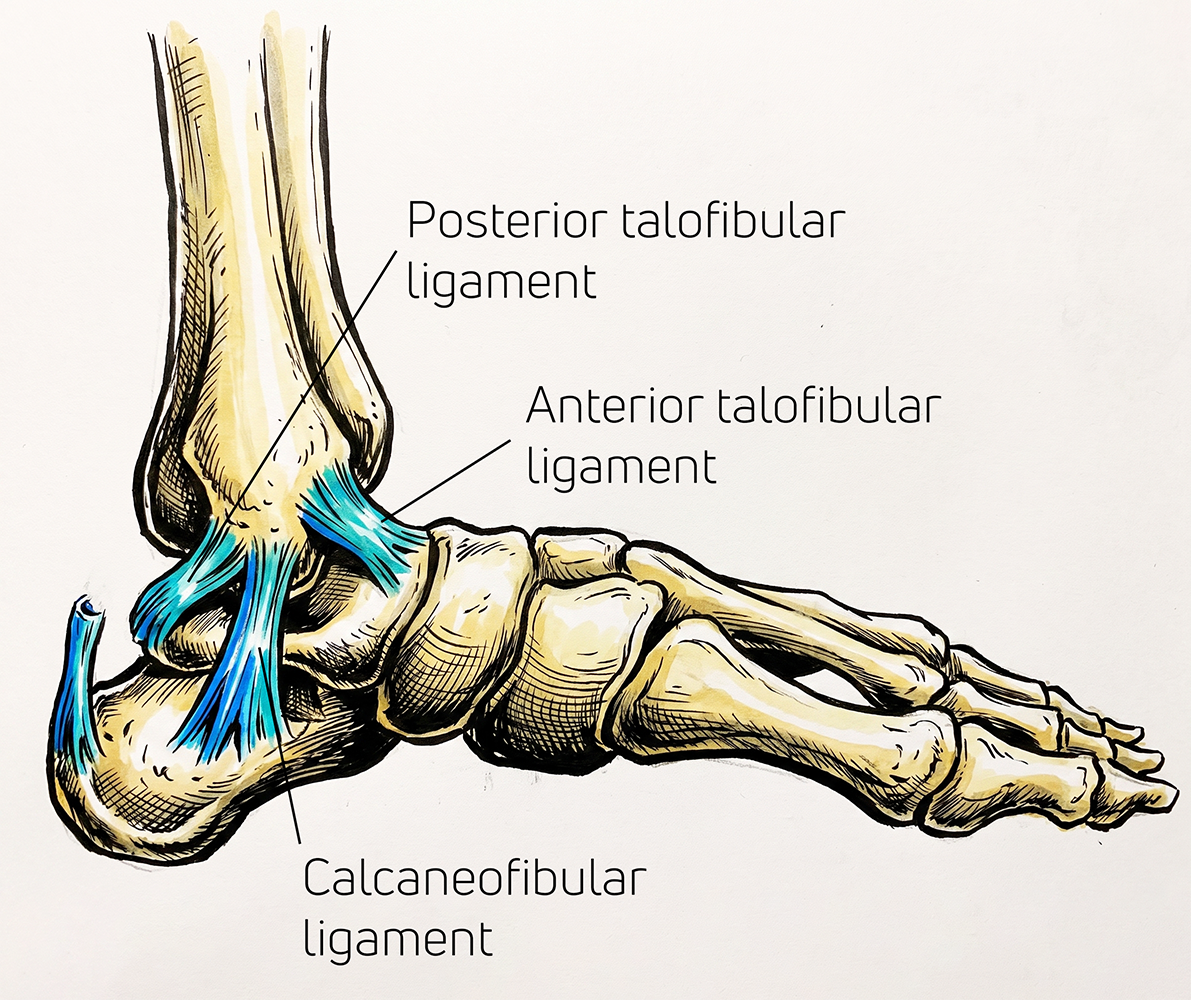
Ankle ligaments diagram

Depending on the nature of the ligament stretch, the severity of the sprain will vary:

Mild sprainstretching of the anterior bundle
Moderate sprainpartial rupture of the anterior bundle
Severe spraincomplete rupture of the anterior bundle, or even of the middle and posterior bundles

WHAT TO DO FOLLOWING A SPRAIN

When a sprain occurs, the best course of action is to follow the RICE protocol: Rest, Ice, Compression, and Elevation.

These are essentially the four steps to follow to treat a sprain:
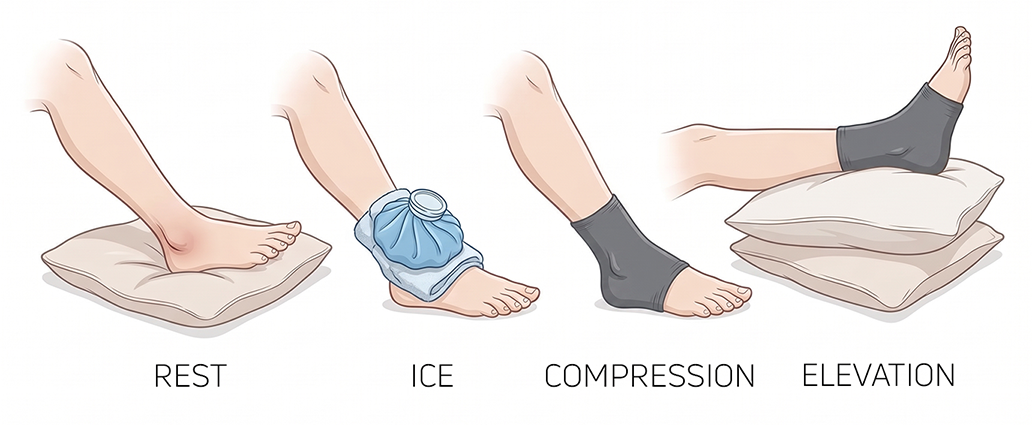
RICE protocol

Rest: If it’s painful to walk or put weight on your foot, stay off your feet as much as possible. Rest your ankle and use crutches to support your weight if you need to get around.

Ice: Ice your ankle for 48 to 72 hours after injury to help reduce pain and swelling; apply ice or cold therapy for 20 minutes at a time every two to three hours.

Compression: A wrap can be applied around the ankle at the site of the sprain to help decrease swelling.

Elevation: Raise the injured ankle above the level of the heart for at least two to three hours a day, and while you sleep, for the first 24 to 36 hours to help reduce swelling and bruising.

The RICE protocol should be applied systematically during the post-traumatic or post-operative phase in order to:

  • Reduce pain and the development of edema
  • Reduce metabolic activity and the inflammatory response
  • Exert a pumping effect on the edema
  • Promote tissue healing

Subsequently, it is of course necessary to consult a doctor for an assessment of the ankle; this will allow them to determine whether elastic compression (such as an elastic ankle brace) needs to be prescribed, depending on the severity of the sprain.

WHAT IS ELASTIC COMPRESSION?

Limb immobilization/support is an established method used to limit the movement of one or more joints or a limb segment. Many clinical situations — whether involving the musculoskeletal system or vascular medicine — may require treatment involving compression or immobilization.

The treatment objective can be twofold: the goal may be compression to manage edema (providing pain relief), or immobilization to limit movement (also providing pain relief). Depending on the stage of the condition, both effects may sometimes be sought simultaneously through the use of appropriate bandaging techniques or specific features found in tubular orthoses.

Compression = compression socks/stockings/tights

Immobilization/Support = elastic tubular orthoses

Compression classes can be expressed in either mmHg or hPa. The conversion ratio between these two units is: 1 hPa ≈ 1.35 mmHg

Medical CompressionElastic Compression
Socks/Stockings/TightsTubular orthoses
Compression classesmmHGhPa
110 – 1513 – 20
215 – 2020.1 – 27
320 – 3627.1 – 48
4> 36> 48

The compression class of the ankle brace will influence the patient’s sensation and the associated proprioceptive response. Since proprioception is defined as the perception of the body in space, the compression provided will stimulate sensory receptors and promote reflex contractions to help prevent recurrence.

HOW TO CHOOSE THE RIGHT ANKLE BRACE

Whether it is a minor sprain, a severe sprain, tendonitis, a tear, a strain, or a dislocation, it is important to treat your ankle properly and undergo a thorough rehabilitation program to prevent subsequent chronic pain or instability.

It is strongly recommended that you see a doctor to obtain a clear diagnosis and a prescription for the right elastic ankle brace; the consequences of improper treatment can be serious.

A healthcare professional will prescribe the appropriate ankle brace based on several criteria:

1. Ankle condition

  • Mild, moderate, or severe sprain
  • Mild, moderate, or severe instability
  • Tendinopathy (or tendonitis)

2. Desired type of support

  • Post-injury immobilization
  • Return to activity after injury
  • Injury prevention
  • Pain prevention

3. Desired level of stability

  • Little to no activity: light support
  • Daily activity: moderate support
  • Sports or strenuous activity: reinforced support

RESUMING SPORTS

For a mild sprain, all sports activity is suspended for 2 to 3 weeks, extending to 4 to 7 weeks for a moderate sprain.

In the case of a severe sprain, the hiatus from activity lasts approximately 6 months on average, depending on whether orthopedic or surgical treatment is required.

Alongside elastic ankle braces, there are also ankle braces specifically designed for return to sports. Millions of people are injured playing sport every year, with team sports and ball sports accounting for the highest number of accidents.3

Depending on the sport and the patient’s profile, a healthcare professional may recommend either continuing to use an elastic ankle brace or switching to a specialized brace offering superior support — particularly for sports involving pivoting or rapid changes of direction, such as soccer or handball.

In such cases, it is advisable to consult a sports physician, who can prescribe the appropriate brace based on the specific sport being played.

Pain is a sign that should not be ignored. If the pain is severe and/or persists for too long, it is advisable to consult a doctor.

ELASTIC ANKLE BRACES FROM ENOVIS™

Enovis™ offers a variety of elastic ankle braces to help patients prevent and recover from injuries.

DonJoy FortiLax™ Ankle is a simple elastic knitted ankle support for everyday activities. The anatomical 3D knit design offers targeted compression of 20-36mmHg, while the breathable materials and compression-reduced edges help provide a comfortable fit for extended periods of wear.

DonJoy MaloLax™ offers additional support in the form of two anatomically contoured ankle pads. These soft inserts help protect, stabilize, and relieve the malleoli.

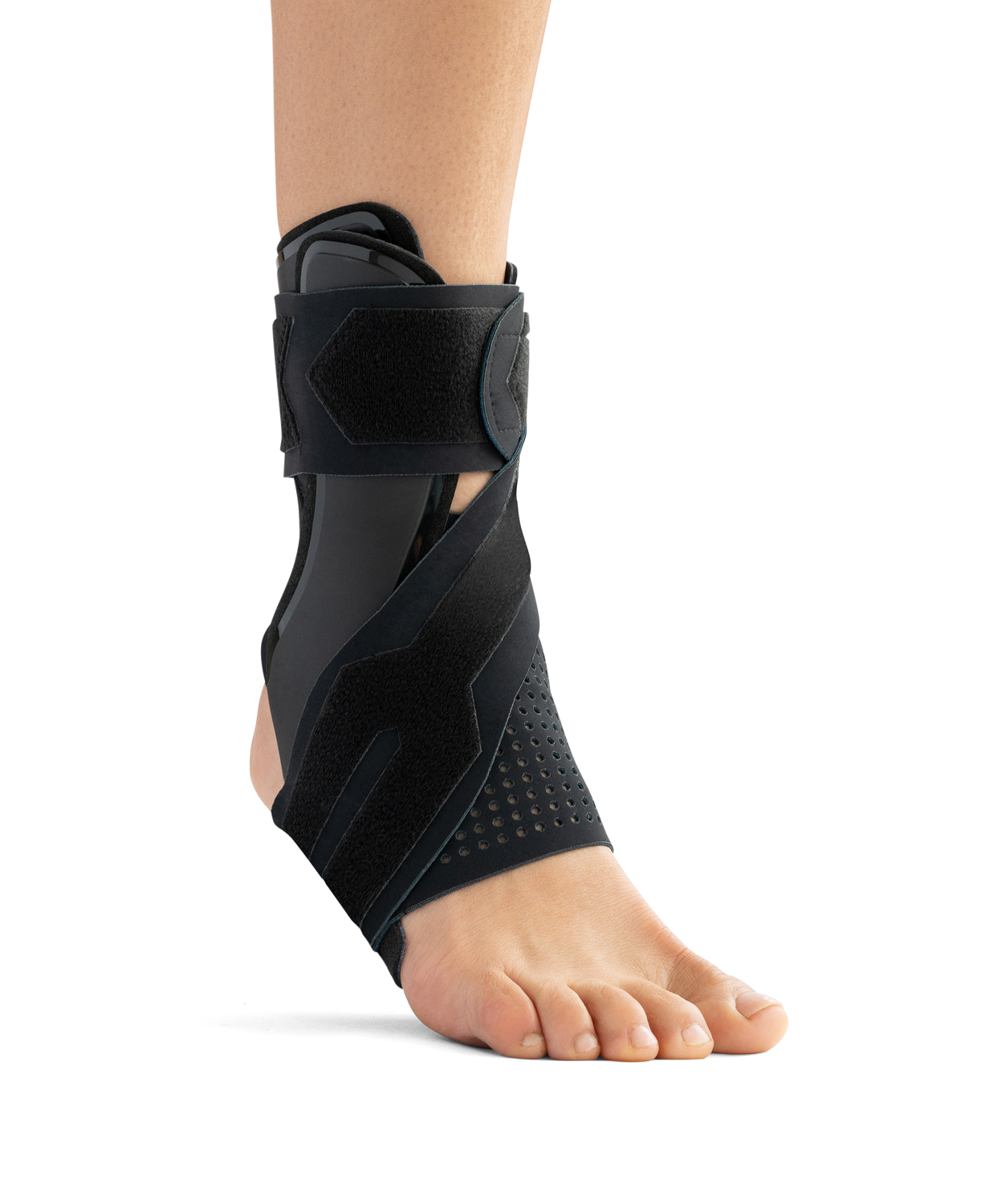
In addition to its integrated malleolar pads, DonJoy StrapiLax™ Ankle (right) includes adjustable ankle strapping. This works in a similar way to functional tape, helping to provide added compression, stability, and a custom fit.
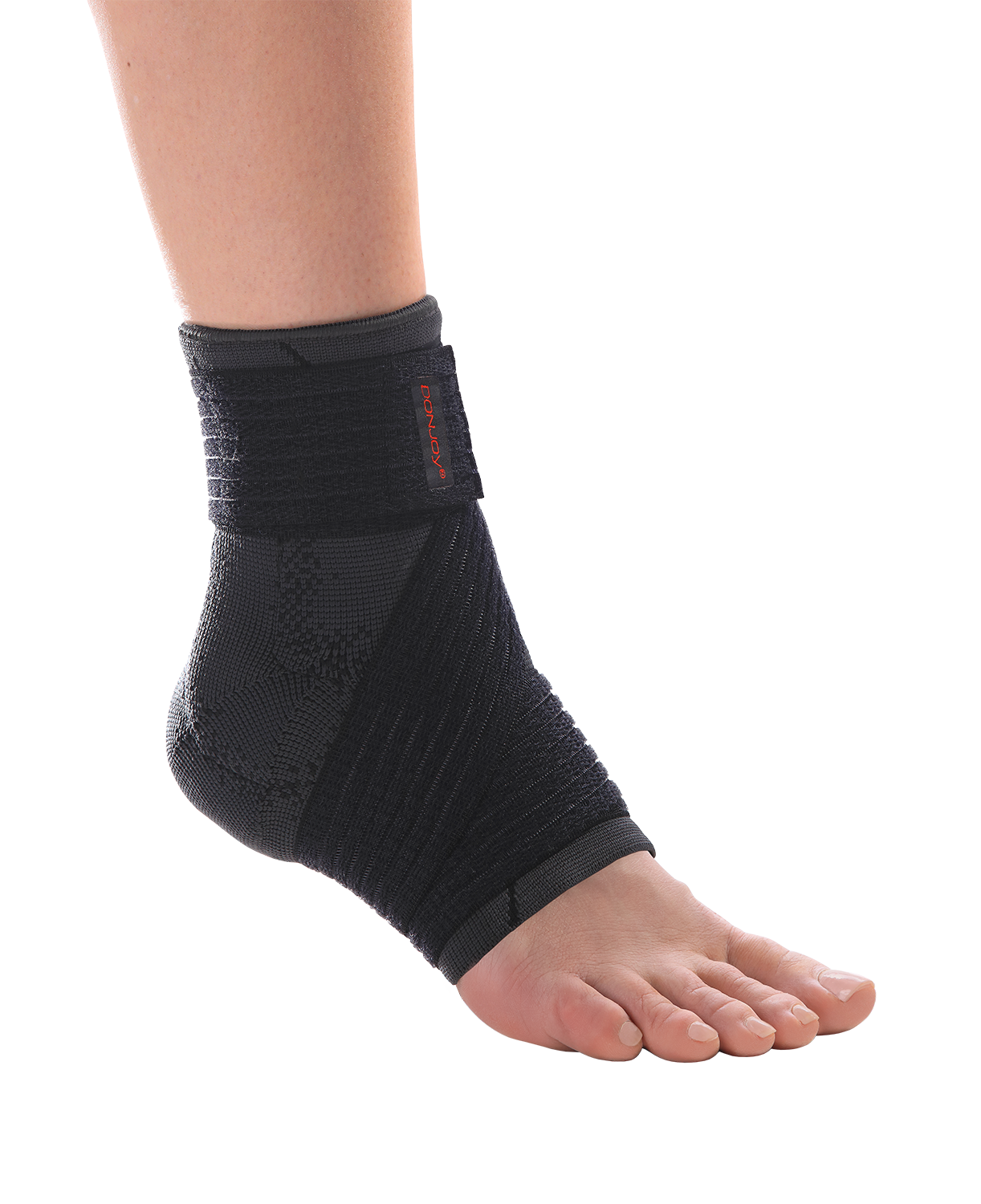
DonJoy StrapiLax Ankle

For more information about managing ankle sprains and finding the right support, visit our website.

Healthcare professionals interested in learning more about ankle braces can contact their local Enovis representative or visit our website for detailed product information.

REFERENCES

  1. Megalaa, T., Beckenkamp, P. R., Fong Yan, A., & Hiller, C. E. (2024). What are the clinical recommendations for the use of ankle braces? A scoping review. JSAMS plus, 3, 100058.
  2. Fong, D. T., Chan, Y. Y., Mok, K. M., Yung, P. S., & Chan, K. M. (2009). Understanding acute ankle ligamentous sprain injury in sports. Sports medicine, arthroscopy, rehabilitation, therapy & technology : SMARTT, 1, 14.
  3. Sheu, Y., Chen, L.H., & Hedegaard, H. (2016). Sports- and recreation-related injury episodes in the United States, 2011–2014.National Health Statistics Reports, (99), 1–12.
Should You Wear an Ankle Brace? How Ankle Bracing Supports Sprain Rehabilitation

Ask anyone who has rolled their ankle during sport whether they should be wearing a brace, and you’ll likely get one of two answers: “Absolutely — I wear one every time I play” or “No, I need to strengthen it without one.” Both responses reflect common but incomplete ideas about what ankle bracing is actually for. This article details the recommended use of ankle bracing and how it can affect sprain rehabilitation.

Misconceptions Around Ankle Bracing

One of the most persistent misconceptions about ankle bracing is that wearing one weakens the ankle or creates long-term dependency. This concern often leads people to stop using the brace too soon, exposing healing tissues to loads they’re not yet ready to handle.

Current evidence around ankle bracing does not support this assumption. Used strategically, an ankle brace can be a tool that enables rehabilitation to progress more safely and confidently.1,2,3

What an Ankle Brace Actually Does

Depending on the design, an ankle brace can contribute to rehabilitation in several important ways:

  • Improving mechanical stability around the joint1
  • Reducing excessive range of motion during dynamic activity2
  • Enhancing proprioceptive input — the body’s sense of position and movement3
  • Supporting neuromuscular control1
  • Improving the individual’s sense of contact and control through the foot and ankle3

Following an ankle sprain, tissues may regain their range of motion and basic strength before they have fully adapted to the demands of running, cutting, and dynamic loading. During this transitional period, a brace can provide an appropriate level of external support that allows individuals to progress rehabilitation tasks with confidence, without exposing the ankle to excessive stress.

Matching the Brace to the Injury and Stage of Recovery

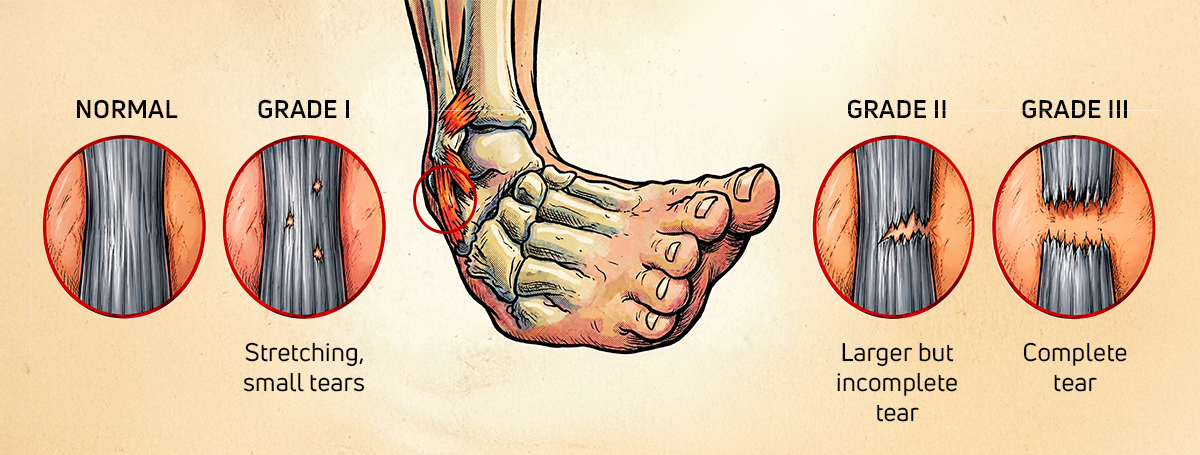
Ankle sprains are graded by severity — from a Grade I (mild stretching of the ligament fibres) through to a Grade III (complete ligament tear with significant instability) — and the appropriate level of external support should reflect this.

Grades of ankle sprain

Milder sprains typically benefit from lightweight or elastic supports. These provide compression and proprioceptive feedback without limiting movement excessively, helping to maintain sensorimotor awareness while preserving a high degree of mobility.3

Moderate to more severe sprains may require semi-rigid or stabilizing braces that offer greater mechanical support during weight-bearing and dynamic activity. These designs can help improve ankle stiffness, reduce excessive range of motion, and provide additional stability while the individual progresses through rehabilitation.1,2,4

Bracing needs also change as recovery progresses. Early in rehabilitation, the primary goal is to protect healing structures and manage swelling. As recovery advances, the focus shifts toward controlled loading, proprioceptive development, and sport-specific demands. For those returning to running or field-based sports, bracing may be used temporarily during higher-risk activities while strength, neuromuscular control, and confidence continue to develop.

How Ankle Braces Affect Confidence

Rather than being simply a physical process, psychological readiness plays a significant role in successful recovery from an ankle sprain. Even when physical measures have improved, apprehension around injury recurrence can influence movement strategies and loading behavior — often in ways that create new problems elsewhere in the kinetic chain.

This is where ankle bracing can make a particularly valuable contribution. By providing a sense of stability during early return to running or sport-specific drills, and allowing graded exposure to higher-risk movements such as cutting or uneven terrain, a brace can help an individual move more naturally, reducing the hesitant or protective patterns that often persist long after the physical injury has resolved.

What the Research Shows

Clinical evidence supports the strategic use of bracing in ankle rehabilitation. Studies have shown that bracing may reduce talar tilt and slow simulated sprain motion in unstable ankles, improve performance in functional tasks such as shuttle running, and enhance dynamic balance in people with functional ankle instability.2,5,6,7

A randomized controlled trial involving athletes with a history of lateral ankle sprain found that bracing was more effective than neuromuscular training alone in preventing recurrence.8 A subsequent systematic review concluded that the body of available research strongly supports the positive effect of ankle braces on dynamic balance in those with chronic ankle instability.9

Summary

Ankle bracing, used thoughtfully and matched to the individual’s injury severity, rehabilitation stage, and activity demands, is a clinically supported strategy that protects healing tissue, builds movement confidence, and enables rehabilitation to progress effectively.

Different stages of recovery often require different levels of support. The following brace options illustrate how support can be matched to injury severity and rehabilitation goals.

Ankle Bracing from Enovis™ — A Brace for Every Sprain

Under the Aircast® and DonJoy® brands, the Enovis™ portfolio of ankle braces offers a comprehensive choice of treatment options for all severities of ankle sprain, as well as chronic instability.

Grade I

DonJoy StrapiLax Ankle support
DonJoy FusioLight II ankle brace
Aircast AirSport ankle brace

DonJoy StrapiLax™ Ankle

DonJoy FusioLight II®

Aircast AirSport™

DonJoy StrapiLax™ Ankle — Elastic knitted ankle support with malleolar pads and adjustable strapping

DonJoy FusioLight II® — Semi-rigid ankle stirrup with memory-foam inserts

Aircast AirSport™ — Semi-rigid ankle support with foam-filled aircell

Grade II

Aircast Air-Stirrup
Aircast AirSport+ ankle brace
Aircast ActyFoot

Aircast Air-Stirrup™

Aircast AirSport+®

Aircast ActyFoot™

Aircast Air-Stirrup — Semi-rigid ankle stirrup with aircells for edema management

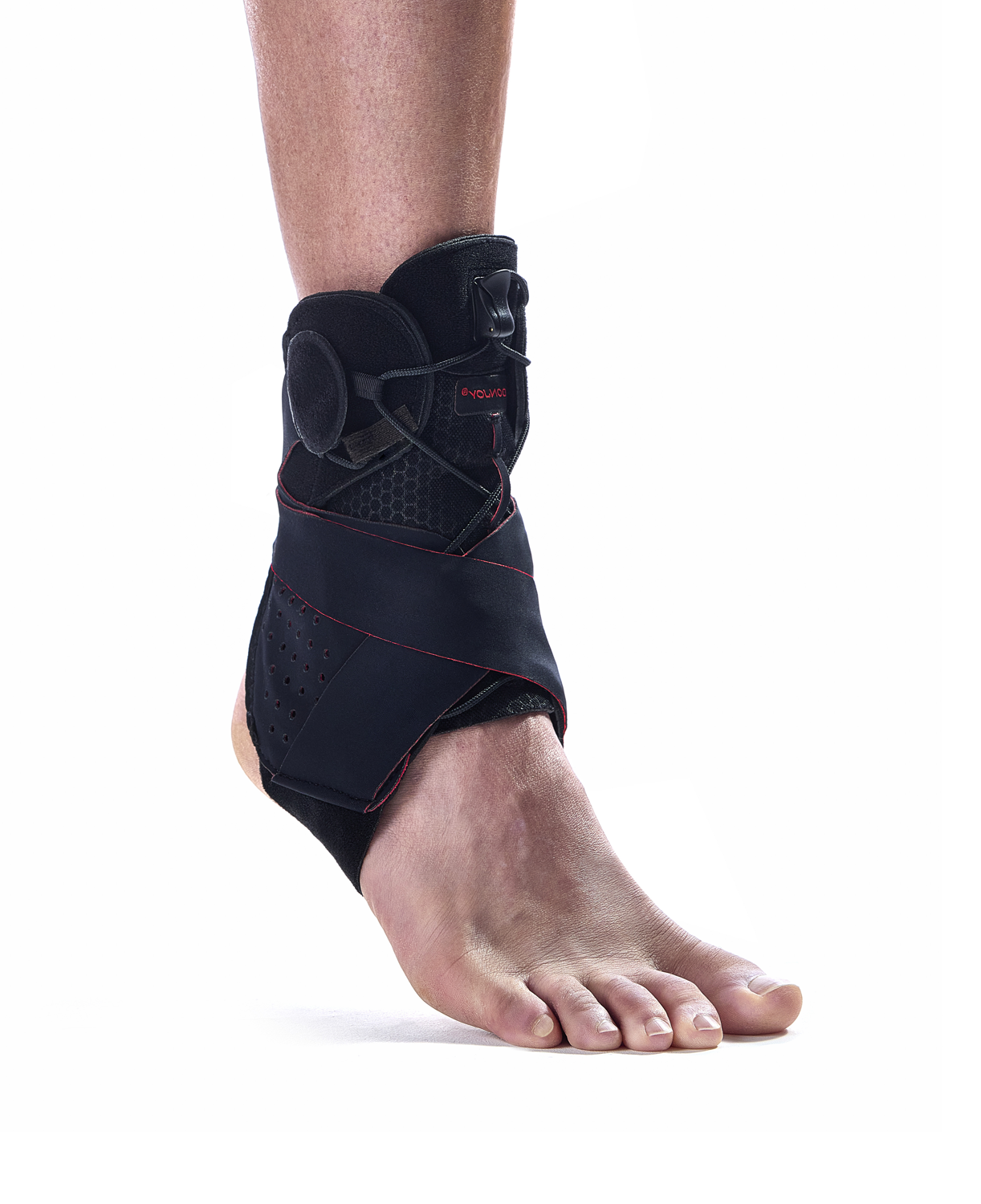
Aircast AirSport+ — Semi-rigid ankle support with BOA®* dial for adjustable compression

Aircast ActyFoot — Semi-rigid ankle support with modular design

Grade III

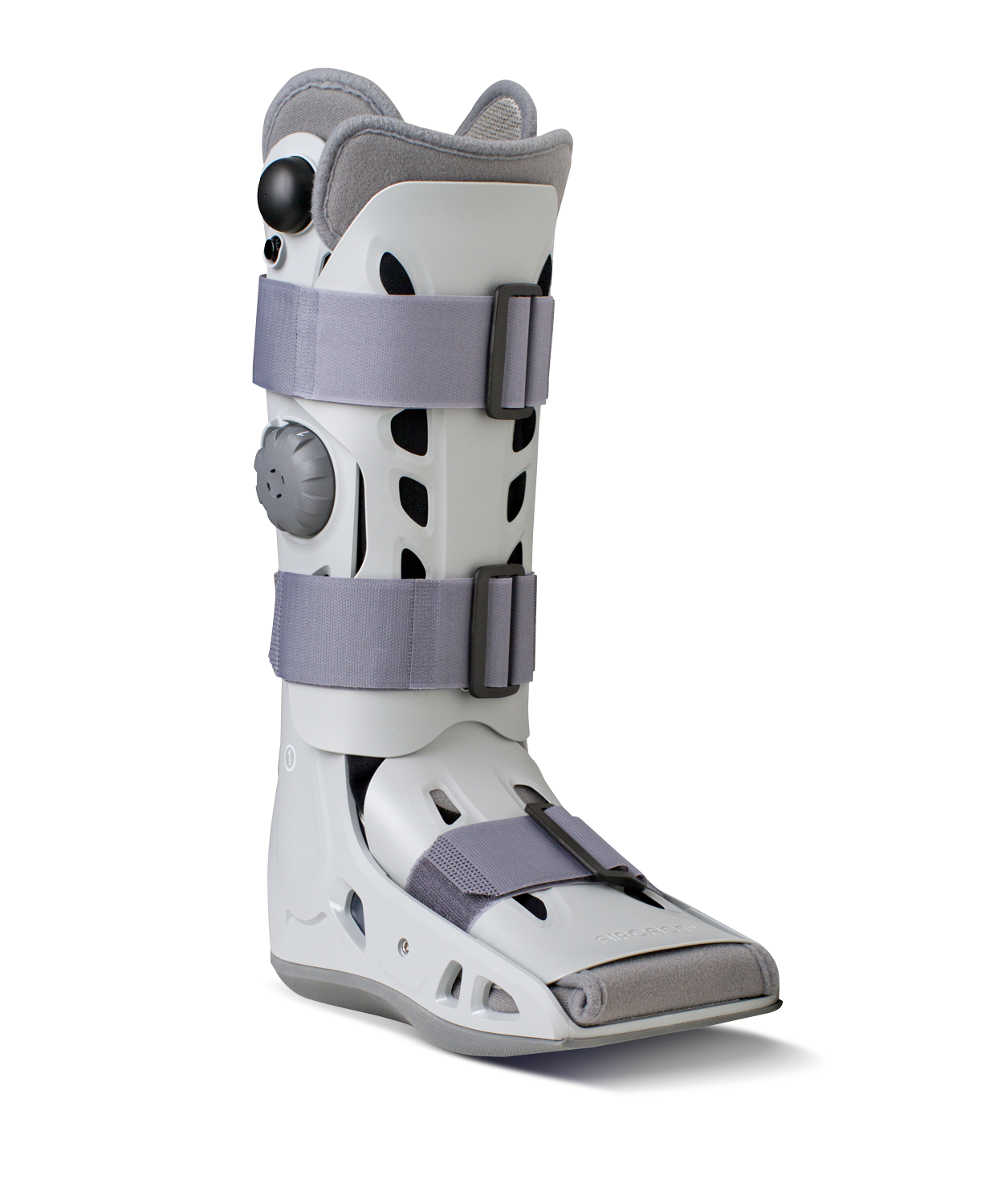
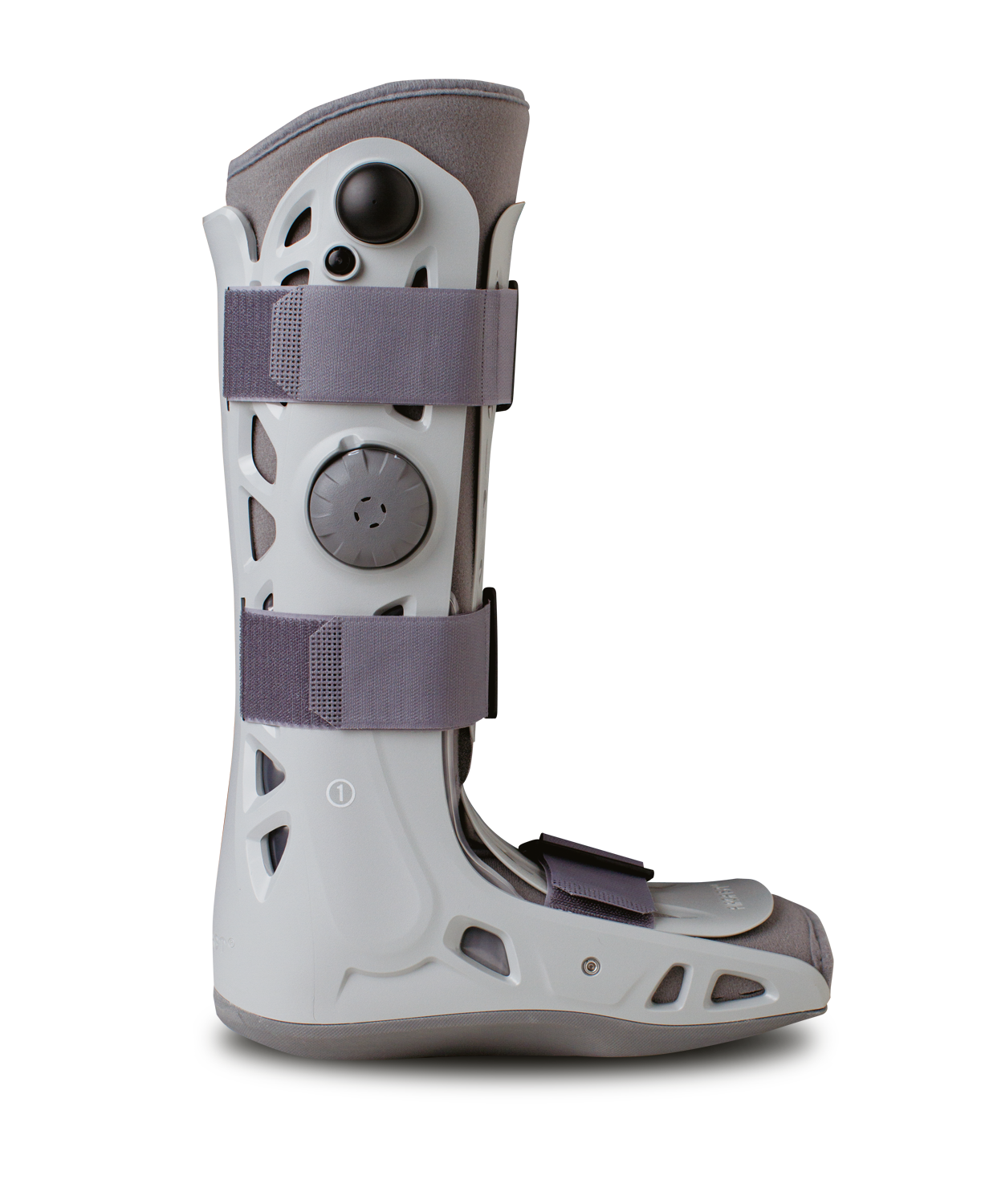
Aircast AirSelect Elite walker boot
Aircast AirSelect Standard walker boot

Aircast AirSelect™ Elite

Aircast AirSelect™ Standard

Aircast AirSelect Elite — Premium full-shell walking boot with adjustable edema control

Aircast AirSelect Standard — Full-shell walking boot with adjustable aircells

Chronic Ankle Instability

DonJoy ActyLight ankle brace
Aircast A60 ankle support
Aircast AirSport ankle brace
Aircast ActyFoot ankle brace

DonJoy ActyLight®

Aircast A60™

Aircast AirSport™

Aircast ActyFoot™

DonJoy ActyLight — Semi-rigid ankle support with step-in design

Aircast A60 — Semi-rigid ankle support with stabilizer

Aircast AirSport™

Aircast ActyFoot

For more information about managing ankle sprains and finding the right support, visit our website.

Healthcare professionals interested in learning more about ankle braces can contact their local Enovis representative or visit our website for detailed product information.

BOA® is a registered trademark of Boa Technology, Inc.

References

  1. Zhang G, Zha C, Cao S, Xiong L, Huang P, Zhang G, Ji Y. Effect of a semirigid ankle brace on the in vivo kinematics and muscle activity of patients with functional ankle instability during simulated ankle sprain. Medicine (Baltimore). 2024 Aug 9;103(32):e37832.
  2. Tang YM, Wu ZH, Liao WH, Chan KM. A study of semi-rigid support on ankle supination sprain kinematics. Scand J Med Sci Sports. 2010 Dec;20(6):822-6.
  3. Forbes H, Thrussell S, Haycock N, Lohkamp M, White M. The effect of prophylactic ankle support during simulated soccer activity. J Sport Rehabil. 2013 Aug;22(3):170-6.
  4. Zinder SM, Granata KP, Shultz SJ, Gansneder BM. Ankle bracing and the neuromuscular factors influencing joint stiffness. J Athl Train. 2009 Jul-Aug;44(4):363-9.
  5. Vaes PH, Duquet W, Casteleyn PP, Handelberg F, Opdecam P. Static and dynamic roentgenographic analysis of ankle stability in braced and nonbraced stable and functionally unstable ankles. Am J Sports Med. 1998 Sep-Oct;26(5):692-702.
  6. Crockett NJ, Sandrey MA. Effect of Prophylactic Ankle-Brace Use During a High School Competitive Basketball Season on Dynamic Postural Control. J Sport Rehabil. 2015 Aug;24(3):252-60.
  7. Hals TM, Sitler MR, Mattacola CG. Effect of a semi-rigid ankle stabilizer on performance in persons with functional ankle instability. J Orthop Sports Phys Ther. 2000 Sep;30(9):552-6.
  8. Janssen KW, van Mechelen W, Verhagen EA. Bracing superior to neuromuscular training for the prevention of self-reported recurrent ankle sprains: a three-arm randomised controlled trial. Br J Sports Med. 2014 Aug;48(16):1235-9.
  9. Reyburn, R. J., & Powden, C. J. (2020). Dynamic Balance Measures in Healthy and Chronic Ankle Instability Participants While Wearing Ankle Braces: Systematic Review With Meta-Analysis. Journal of sport rehabilitation, 30(4): 660–667.